Category: Cool places to go

  • A Typical Weekend Trip

    A Typical Weekend Trip

    This is what a typical weekend trip as an Academia Tica student looked like, from the helpful planning advices of the school to the realization of the trip.

    Planning the trip

    The 15th of September was the Independence Day of Costa Rica, a national holiday. It was a Tuesday and the school had decided to postpone it to Friday. This meant an extended weekend of three days!, or long weekend as ticos call it.

    On my first day in Academia Tica I had received a list of interesting and fun promising tours and activities you can book with the school. Those excursions are convenient because the school does all the reservation stuff for you. But this time I decided to do a different trip.

    In the cafeteria of the school is a calendar which shows the seasons and places where you can observe different kinds of animals like turtles, dolphins and whales. I had seen that the whale watching season goes until the beginning of October. So, if I wanted to see those beautiful animals (which I had never seen before in nature), I had to take the chance of this weekend.

    Like always, with all my weekend-planning-questions, I went to Elsa to pester her with all my questions: “Where should I best go to see them?”, “How can I get there?”, “What else does this location offer?”. She told me about a marine National Park called Marino Ballena, which is located in Uvita in the pacific coast. This of course meant beautiful beaches, and yes, I could surf there too. She explained me which bus I had to take at which time and where it left (this varies with your travel destination, there is not only one big bus terminal, and finding these informations on the internet is not always easy. After I knew all this I searched for a hostel to stay in. I did this using booking.com; they have special offers every day.

    On the Spot

    A nice day with the Canadians

    When I came to my hostel that Friday afternoon, I checked in, brought my stuff into the room and already booked the whale watching tour which would take place the next morning. After having done this most important booking (seeing the whales had been the main motive to come here) I went to the big, open communal room where I got to know students from Canada.

    They were traveling around in Costa Rica together without having planned a route before. When they got bored of a place, they decided to leave it and discussed their next destination spontaneously. My whale watching tour would not be until the next day, and for this day, they neither had a plan. So we discussed a little bit and decided to go to the beach together. Like often, the hostel front desk was helpful with our questions were we could find a nice spot. A transportation was organized (because walking there would take quite a while) and together with some other guests the hostel’s driver took us to a spot where we didn’t have to pay an entrance fee. In addition, it was an unknown section so the beach was empty, and it was gorgeous! We enjoyed the big, warm waves, jumping into or ducking under them. I was happy to be able to spend such a nice day with great people.

    In the evening we ate casados at a soda and afterwards played card games. The Canadians would leave the next day to continue to Panama so we said good bye and exchanged our Facebook contacts in case that our travel routes would maybe coincide some day and we could spend a few days together again.
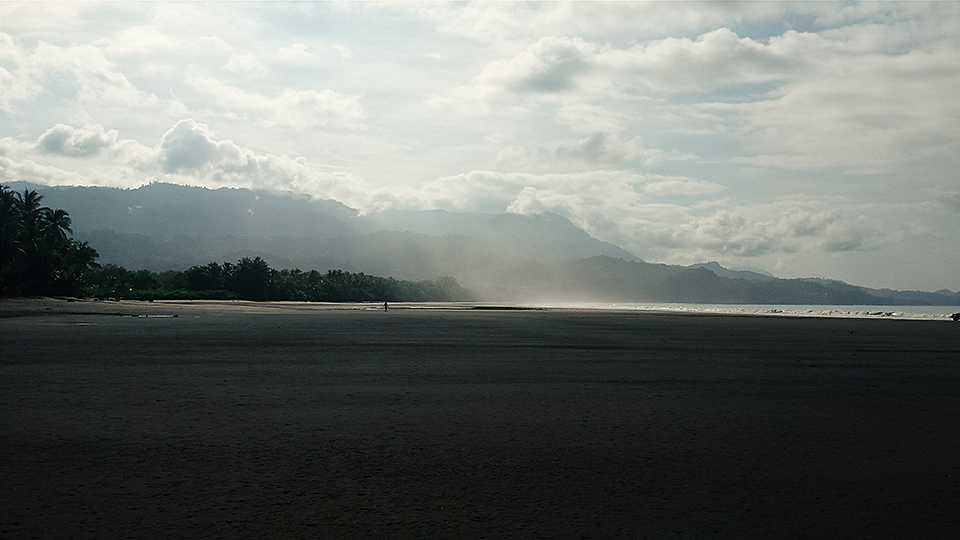
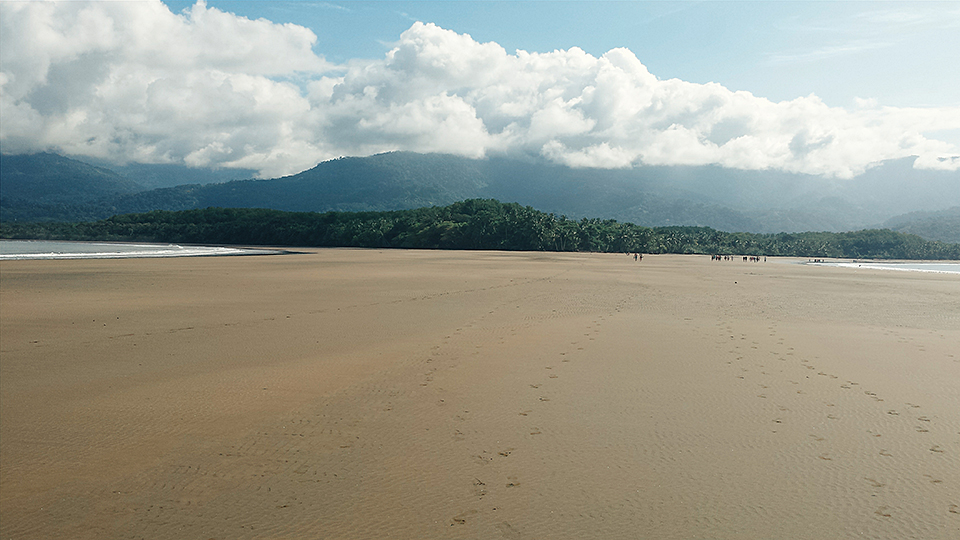
    Processed with VSCO with kk1 preset

    Processed with VSCO with kk1 preset

    Whale watching

    The next day, I started with the whale watching tour. A bus took me to the beach where a boat was waiting for the tour group. It was a nice, sunny day and I enjoyed the pleasant airflow. While driving out to the sea the guide explained us different things about why the whales would come to such a warm place, when you could see them, why only mother and baby whales were here and so on.

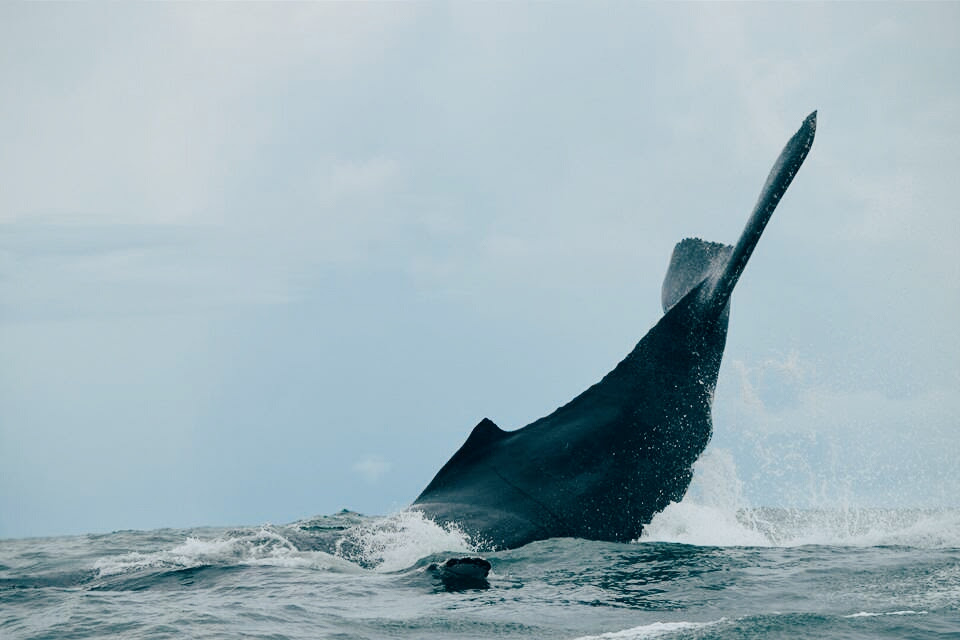
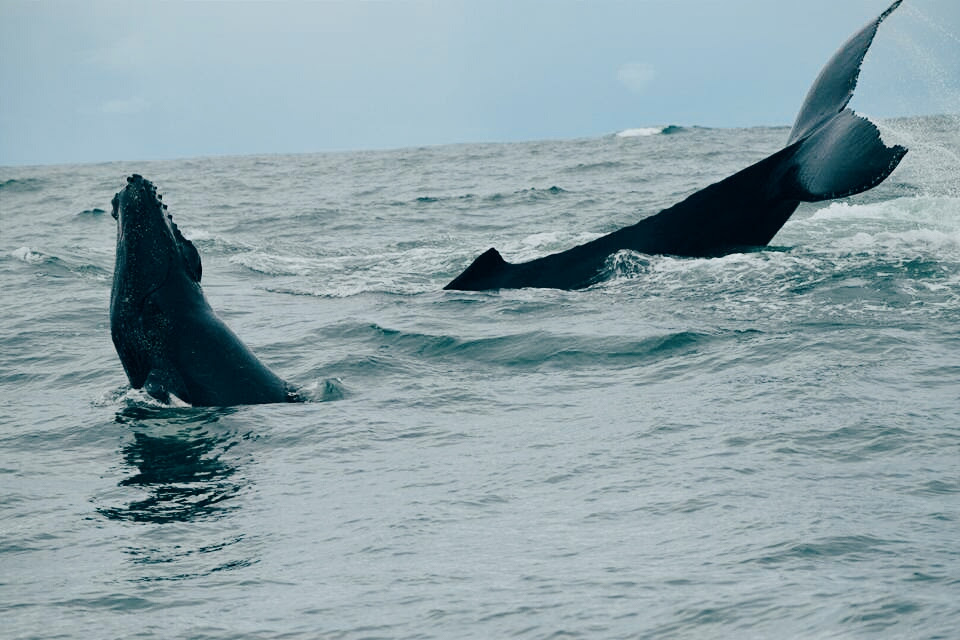
    We were lucky and saw some whales, mostly the back when they came to the surface to breathe. For me it was the first time seeing whales in nature. My tour highlight was definitely the moment when I saw two baby whales jumping out of the water!
    unnamed

    unnamed(1)

    Swimming in a waterfall

    Back at the hostel, I prepared my lunch: corn tortillas with refried beans paste, cheese and some vegetables. I had just left the kitchen edge and sat on a table next to it when a group of German speaking girls entered it to prepare their lunch: corn tortillas with refried beans paste, avocado and cheese! Apparently, this was a popular meal for tourists on a budget… We saw our almost identic meals, found it funny and started a conversation. They were roommates travelling around together. And they had heard about a nearby waterfall were you could swim in. That sounded nice to me, so I accompanied them after lunch.

    The waterfall was located in a little forest. It came down an overgrown, green rock face. And it fall into a little, beautiful lagoon with clear, cool water. We were the only persons there and this place offered us a marvelous picture-book landscape. I’d never swam in a lagoon at the foot of a waterfall before. Another first time experience! Back at the hostel, we cooked together, exchanged our travel experiences and sang well known songs with another Canadian who had a ukulele.

    For me this had been a really nice weekend, including great first time experiences and new encounters. Everything had gone more than well and I was wondering, how much one can experience in the short time of only one weekend? You see, with all the help of the school, the planning and getting all the necessary information it gets really easy. And travelling alone doesn’t mean spending your trips alone 😉


    Read it in Spanish!

    Así es un fin de semana típico, desde los consejos serviciales de la escuela hasta la realización del viaje.

    Planeando el viaje

    El 15 de Septiembre es el Día de Independencia en Costa Rica, un feriado nacional. Fue un martes y la escuela había decidido aplazarla al viernes. ¡Esto significaba un fin de semana prolongado de tres días!

    El primer día en la escuela recibí una lista de actividades que parecían interesantes y divertidas y que puedes reservar a través de  la escuela. Estas excursiones son bastante prácticas porque la escuela hace todas las reservaciones por ti.

    Pero esta vez, decidí hacer otro viaje. En la cafetería de la escuela hay un calendario que indica las épocas y lugares donde puedes observar diferentes animales como tortugas, delfines y ballenas. Ahí había visto que la época de las ballenas continúa hasta el inicio de octubre. Por eso, si quería ver estos animales tan bonitos (nunca los había visto en la naturaleza), tenía que aprovechar la oportunidad de este fin de semana largo.

    Como siempre, antes de planear mí fin de semana, fui a consultar todas mis preguntas con Elsa: ¿Dónde debería ir para ver ballenas?, ¿Cómo puedo llegar allí?, ¿Qué más hay para hacer en este lugar? Me contó del Parque Nacional Marino Ballena, que está en Uvita, y de sus bonitas playas. Y sí, también podría surfear allí. Me explicó qué bus tendría que tomar, a qué hora y de dónde (esto cambia con cada destino en tu viaje, no hay una sola terminal grande, y encontrar estas informaciones en Internet no es tan fácil). Después de que sabía todo esto, busqué un hostal para pasar las noches. Yo uso la página booking.com que tiene descuentos especiales cada día.

    En el lugar
    Un día bueno con los canadienses

    Cuando llegué al hostal el viernes me registré, llevé mis cosas a la habitación y reservé la excursión para observar ballenas para la próxima mañana. Después de hacer esta reservación importante (observar las ballenas había sido la razón principal de ir allá) fui a la sala común donde conocí a unos estudiantes de Canadá. Ellos estaban viajando por Costa Rica sin haber planeado su ruta antes. Cuando un lugar les aburría, decidían dejarlo y discutían el próximo destino.

    Mi excursión para observar ballenas no era hasta el próximo día y ellos tampoco tenían un plan para este día. Entonces discutimos un poco sobre qué hacer y decidimos ir a la playa juntos. Como muchas veces la recepción nos ayudó con nuestras preguntas de dónde podríamos encontrar un lugar bonito. Ellos organizaron un transporte (porque tardaría mucho tiempo ir caminando) y juntos, con otros huéspedes, el conductor nos llevó a un lugar donde no tuvimos que pagar la entrada. Además, era un sitio desconocido y vacío. ¡Y fue maravilloso! Disfrutamos las olas grandes, saltando o agachándonos. Estaba feliz de poder pasar un día bonito con gente amable.

    En la noche comimos casados en un soda y después jugamos juegos de cartas. Los canadienses se iban por la mañana para continuar hacia Panamá, por eso nos despedimos e intercambiamos contactos de Facebook, en el caso de que nuestro viaje coincidiera otra vez y así podríamos pasar unos días juntos otra vez.

    Observar ballenas

    El próximo día comenzó con la excursión de ballenas. Un bus me llevó hasta la playa donde un pequeño barco estaba esperando al grupo para iniciar el tour. Era un día bonito y soleado, perfecto para disfrutar del viento. Mientras navegamos por el mar, el guía nos explicó diferentes cosas sobre por qué las ballenas llegan a un sitio tan caliente, donde podrías verlas y por qué solo las madres y las crías llegaban.

    Tuvimos suerte y pudimos ver ballenas, sobre todo, su espalda cuando subían a la superficie para respirar. Fue la primera vez que vi ballenas en la naturaleza. ¡Mí “highlight” de la excursión definitivamente fue cuando vi dos crías saltando del mar!

    Nadar en una catarata

    Después de regresar al hostal, preparé mi almuerzo: tortillas de maíz con frijoles molidos, queso y verduras. Había dejado el área de la cocina y me había sentado en una mesa cerca cuando un grupo de chicas alemanas entraron para preparar su almuerzo: ¡Tortillas de maíz con frijoles molidos, aguacate y queso! Al parecer esta era una comida típica para turistas con poco presupuesto… Vimos nuestras comidas casi idénticas, pensamos que era divertido y empezamos a conversar. Ellas eran compañeras de piso y viajaban juntas. Ellas habían oído de una catarata cercana donde podías nadar, esto me pareció bueno y por eso las acompañé después del almuerzo.

    La catarata estaba en un pequeño bosque. Bajé por una pared de roca verde y caí en una laguna pequeña con agua fría y clara. Éramos las únicas personas allí y este lugar nos ofrecía una vista maravillosa. Nunca había nadado en una laguna al el pie de una catarata antes. ¡Otra primera experiencia!

    En el hostal cocinamos juntas, nos contamos las experiencias de viaje y cantamos canciones conocidas con un chico canadiense que tenía un ukulele.

    Para mi esto fue un fin de semana bonito que incluyó primeras experiencias, estupendos encuentros. Todo había sido muy bueno y me sorprendió cuánto podías experimentar en un tiempo tan corto como un fin de semana. Ves, con toda la ayuda de la escuela para planear y encontrar toda la información necesaria, es de verdad fácil. Y viajar solo no significa pasar solo 😉
  • Locos por el Bosque: what a hike!

    Locos por el Bosque: what a hike!

    Rain, sweat and mud – and amazing views! “Locos por el Bosque” is a private biological reserve in the small town of Montserrat in Coronado. It is located between Braulio Carrillo National Park and Irazú Volcano National Park. This makes it an important biological corridor for many species. This cloud forest builds an area which links the two ecosystems and thus ensures the maintenance of biodiversity.

    The last 15 minutes of the ride from the school up to the little hut where we met our tour guide were quite adventurous. On the side of the road there were growing plants with big leaves, called “Poor Man’s Umbrella”. These ones here had a gigantic size! The “street” was so bumpy that the car was shaking but it took us safely to our destination. When we arrived at the little hut where with restrooms and fresh water, our guide Randal expected us and provided ourselves with rain ponchos, in which we looked like green dwarfs.

    Cajón River

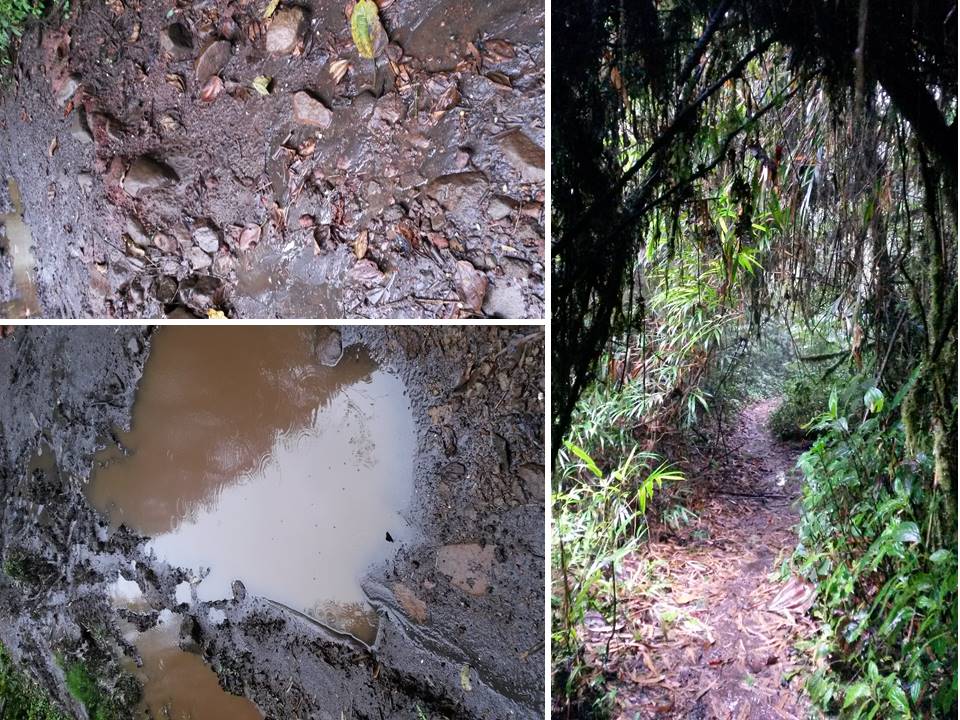
    We started our hike with the first drops of rain. The paths where therefore muddy and slippery and I wished I had brought shoes with a higher shaft to Costa Rica (which I hadn’t because of space problems in my backpack…). I only realized the mud and water soaked socks back at the apartment. When we entered the forest we were surrounded by high trees, which were overgrown with different plants and a lot of moss. Sometimes the trees around us grew in a way that it looked like we were entering a cave.

    LocosPelB

    Processed with VSCOcam with lv01 preset

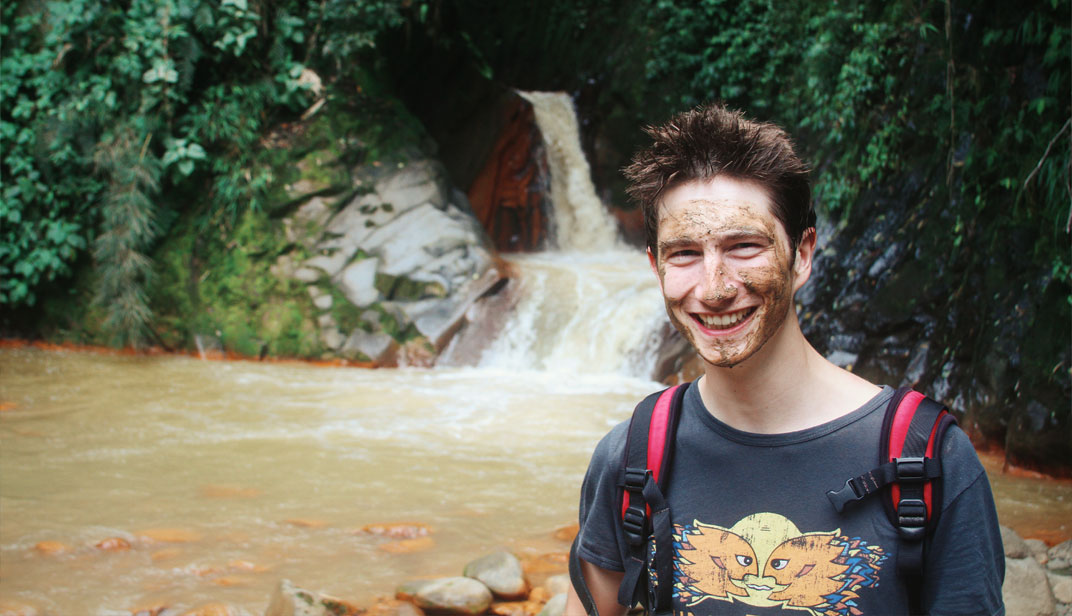
    Our first destination was the volcanic river Cajón. There was a little waterfall, coming from between two overgrown rock faces. It was amazing to see how the waterfall came through the immense green crevice. From there, the brown river flows over big stones and disappeared again between rocks. It was such a scenic view! The color of the river is natural, and the water is clean but volcanic minerals give this particular color.

    unnamed

    locos3

    The Trocha Waterfall

    Next, we hiked further in order to see the Trocha waterfall from a lookout. This meant, more gradient and paying more attention not to fall. For the heavy rain, I was totally happy about the rain poncho. One of us (the only one without a poncho), finally slipped and fell. He didn’t hurt himself, but his pants got completely dirty. A poncho would have kept him clean…

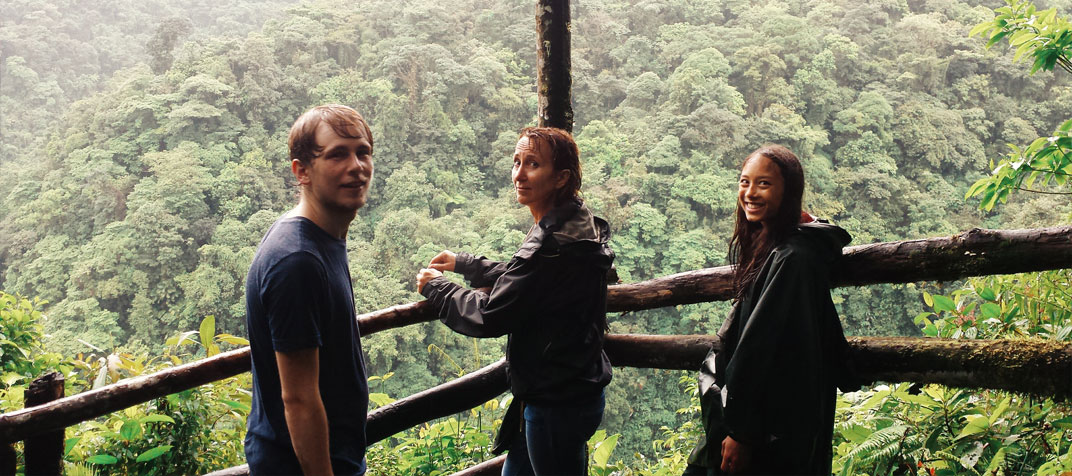
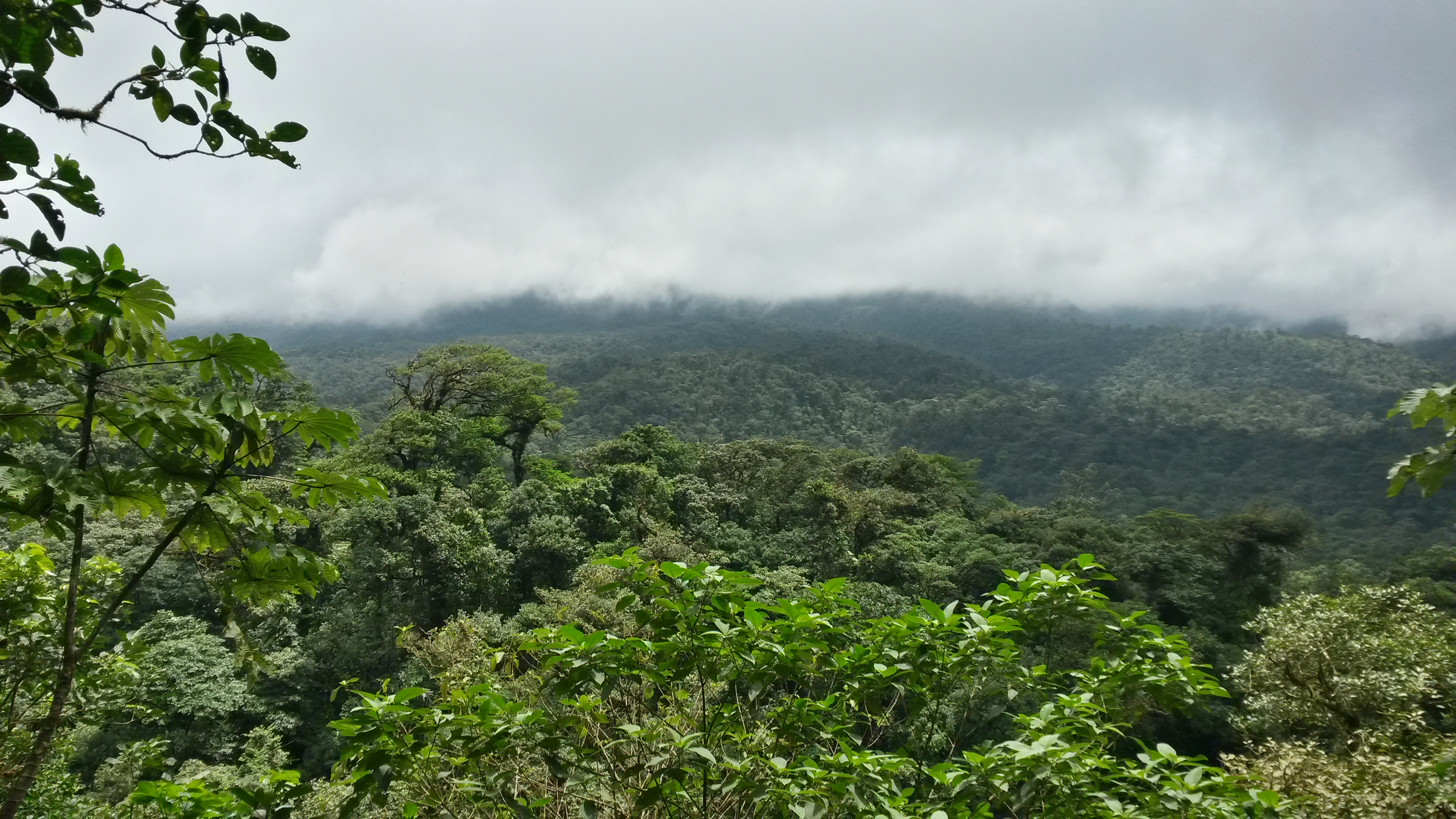
    At last we came to the viewpoint of the Trocha waterfall. And the panorama was astonishing: We were surrounded by piles of green hills. I think I hadn’t seen that much green at once before. And somewhere out of this green scenery, there was a tiny looking white waterfall emerging. Actually, it wasn’t that tiny. Randal explained us it was 70 meters high. This gave us an idea how gigantic the surrounding hills must be… After some minutes, everything was hidden in wisps of fog, coming slowly and covering more and more of the green scenery.

    10625141_10152533743196859_8073639381027658087_n

    locos4

    It was an exciting hike and I was really glad that I had the opportunity to do it. This excursion was part of the after-class activity program with Academia Tica!

    Following its philosophy of involvement with the community, the school became the first sponsor of this project and that we hope will help in the conservation of plant and animal species as well as with understanding the rich biodiversity of this part of Costa Rica.

    Read it in Spanish!

    Lluvia, sudor y barro – ¡y vistas maravillosas! “Locos por el Bosque” es una reserva biológica ubicada en el pequeño pueblo de Montserrat de Coronado. Está entre el Parque Nacional Braulio Carillo y el Parque Nacional Volcán Irazú, y es un corredor biológico importante de gran variedad de especies. Este bosque nuboso constituye un área que conecta los dos ecosistemas y por eso asegura el mantenimiento de biodiversidad.

    Los últimos 15 minutos del viaje desde la escuela hasta la cabaña donde encontraríamos a nuestro guía, Randal, fueron bastante interesantes. En el margen del camino crecen plantas con hojas grandes llamadas “sombrilla de pobre”. ¡Éstas eran gigantescas! La “carretera” era empedrada y el carro temblaba pero nos llevó seguros a nuestro destino. Llegamos a la cabaña donde pudimos usar el baño y cargar agua, nuestro guía Randal nos esperaba. Él nos entregó ponchos de lluvia con los que parecíamos duendes verdes.

    El Rió Volcánico Cajón

    Empezamos la caminata con las primeras gotas de lluvia. Por esto, los caminos tenían barro y estaban resbalosos. Me hubiera gustado haber traído zapatos de montaña a Costa Rica (no lo hice por problemas de espacio en mí mochila…). No noté que mis medias estaban empapadas hasta que regresé al apartamento.

    Entrando el bosque estábamos rodeados de árboles altos que estaban cubiertos de plantas diferentes y mucho musgo. A veces, los arboles alrededor del camino crecían de manera que parecía como si estuviéramos entrando en una caverna.

    El primer destino fue el Río Volcánico Cajón. Había una catarata pequeña que pasaba entre dos paredes de rocas cubiertas. Fue impresionante ver cómo la catarata llegaba de la inmensa hendidura verde. Desde allí, el río marrón corría sobre piedras grandes y desaparecía entre las rocas. ¡Una vista muy bonita!

    Catarata La Trocha

    Después continuamos para ver la Catarata La Trocha desde un mirador. Esto significaba más elevación y tener cuidado para no caer. En la lluvia fuerte estaba muy feliz de tener el poncho, pues de lo contrario, me habría mojado hasta la piel. Uno de nosotros (el único sin poncho) finalmente resbaló y cayó. No se lastimó, pero ensució sus pantalones. Un poncho los habría mantenido limpios…

    Finalmente llegamos al mirador de la Catarata La Trocha. Y el panorama fue sensacional: estábamos rodeados de un montón de colinas verdes. Pienso que nunca había visto tanto verde al mismo tiempo. De alguna parte de este paisaje, salía una catarata que parecía pequeña a lo lejos. Realmente, no era tan pequeña, Randal nos explicó que tenía una altura de 70 metros. Esto nos daba una idea de lo grandes que eran las colinas de alrededor… Luego el paisaje se cubrió en velos de niebla que había llegado despacio y cubierto más y más del paisaje verde.

    ¡Fue una caminata emocionante y me alegré de haber tenido la oportunidad de hacerla! Esta excursión es una actividad del programa de tiempo libre de Academia Tica.

    Siguiendo su filosofía de involucramiento con la comunidad, la escuela se convirtió en el primer patrocinador de este proyecto que esperamos ayude en la conservación de las especies animales y de plantas, así como a entender la rica biodiversidad de esta parte de Costa Rica.

  • 10 money saving tips for traveling in Costa Rica

    10 money saving tips for traveling in Costa Rica

    “Costa Rica is so expensive”. That’s the reaction of many travelers who come to the Switzerland of Central America. And it’s true that it may be more expensive than other Latin American countries. But it is such a gorgeous, varied travel destination you surely won’t regret!

    Also, how often are you in Costa Rica? Do you really want to skip a rafting tour because it costs 70$ and thereby miss a one-time experience? Keep in mind that saving money sometimes means cutting on fun! Here are some helpful tips on how you can save money when traveling around or on the weekends during your Spanish study.

    Accommodation

    Stay in hostels! You can find many nice, cheap hostels in Costa Rica (from 7$ per night). If you book them through pages like booking.com, look for their daily specials.

    Apart from this, why not use private offers from locals? On pages like HomeAway, VRBO and Airbnb, locals offer a stay for little money. And on Couchsurfing, you even find a free stay and get in touch with some ticos!

    Activities

    Always compare tour prices. The same tour could be more expensive in the tourist information center than on the front desk of your hostel. If you want to go hiking in a forest, think about the need of a guide. Observing animals is easier with them and they will explain a lot of interesting things about the nature. But after a few trips, you could also do it on your own and save the guide fee for another tour.

    IMG-20150921-WA0000

    Eating

    Eat like a local! This is where you might save the most and usually one of the main “expensive” claims. Choose the sodas which offer affordable local food (3-6$) instead of expensive restaurants (about 10-20$). Bakeries or street vendors are also good. Look for the places that you see packed of ticos at lunch and not the tour buses.

    Furthermore, many hostels have a little kitchen area that you can use. By sometimes cooking your own food, you can save a lot of money. Another money-saving idea is the water. Apart from the port cities of Limón and Puntarenas and a couple of other places, water just off the tap is potable. However, remember that you may need some time to adjust to the type of water. At school, you can fill your bottles with the filtering water machine, so bring your reusable bottle and use it often!

    Pack a good sandwich when traveling or when going on a tour and bring a snack. This will save on lunch money in touristic places that might be expensive.

    Know the currency

    Economically, it’s best to pay in cash in colones. However, in most places and situations, US dollars are accepted, too. The change will be in colones. Usually, Costa Ricans are honest people, but there are always exceptions. So keep the currency in mind to be able to check the accuracy of the change to avoid getting ripped off.

    Although we love the convenience of credit cards, you can get discounts in many places when paying cash (always ask!), specially when unfolding considerable amounts.

    Take the public bus

    Getting around in Costa Rica might be more convenient and faster in a private bus. But it will cost you many times more! You can travel around (virtually everywhere) by taking the convenient and punctual public buses for little money (a private bus can cost 45$ whereas the same route only costs 6$ in a public one). Ask at the school desk for bus information, although many routes now have their own websites with updated info.

    Take taxis smartly

    When taking a taxi, negotiate the price in advance or be sure the taximeter is on. If not, you can just ask the driver to please “ponga la María”. Before starting the drive, check the taximeter: it should either say “día”, “sedan” or “Nr. 1”. If another number or “noche” appear, you’ll pay a multiple of the regular price!

    Some apps may help you with your calculations too: Taxiando, SayTaxi, but always use some common sense for traveling by taxi, specially if you already know the routes. And remember, rush hour in Costa Rica is the same as everywhere else!

    Cosmetics

    Buy the cosmetics before getting to Costa Rica! Especially cosmetics like after-sun lotion, sunscreen and insect repellent are quite expensive here.

    Traveling intensively vs. traveling much

    Costa Rica offers many gorgeous places, which could easily tempt you to want to see as many as possible. But why not restrict to a few different, beautiful places and do them intensively? Thereby you can get in touch with locals better and experience their culture. Furthermore, it’s less stressful and you can invest the saved additional transport costs (and time!) for another activity.

    Travel in the “green season”

    If you have the choice, travel in the so called “rainy” or “green season” (May to November). Many tourists are scared off by the rain. But there are so many advantages this season offers:

    Many accommodations drop their prices significantly, parks are not overcrowded, the forest comes alive, and you will be able to experience a tropical rain in a rainforest! Rainy season means it rains more, not necessarily all the time.


    20150905_123806_Richtone(HDR)

    Bring your student card

    If you have one: bring it! Always ask if there are any student discounts, many parks and other activities (canopy, museums, theatres, cinemas…) offer significant discounts for students. The school will also provide a card stating you’re an Academia Tica student.


    Read it in Spanish!

    ¿Cuántas veces vas a estar en Costa Rica? ¿De verdad vas a omitir un tour de rafting porque cuesta $70 y así renunciar a una experiencia única? ¡Ten en cuenta que ahorrar dinero a veces significa acortar la diversión! Aquí hay unos consejos de cómo ahorrar dinero mientras viajas por Costa Rica durante tu estadía de estudio.

    Hospedaje

    ¡Pasa las noches en hostales! Puedes encontrar un montón de hostales bonitos y baratos en Costa Rica (desde 7$ por noche). Si los reservas usando páginas como booking.com, busca las ofertas especiales del día. Además, ¿por qué no aprovechar las ofertas de personas privadas? En páginas como HomeAway, VRBO y Airbnb los locales ofrecen hospedajes por poco dinero. ¡Y en Couchsurfing, vas a encontrar incluso hospedajes gratis y puedes conocer a ticos!

    Actividades

    ¡Siempre compara los precios de las excursiones! El mismo tour podría ser ofrecido por el centro de información turístico más caro que en la recepción en tu hostal. Si quieres hacer una caminata por algún bosque, piensa si de verdad necesitas un guía. Observar animales es más fácil con ellos y te van a explicar mucho sobre la naturaleza. Pero después de unas caminatas, podrías hacerlas sin guía y ahorrar estos costos para otras aventuras.

    Alimentación

    Come como los locales. Con este punto podrías ahorrar mucho y es generalmente una de las quejas por las que se dice que Costa Rica “es caro”. Escoje las sodas que ofrecen comida típica y económica (3-6$) en lugar de los restaurantes caros (10-20$). Las panaderías y los vendedores en las calles también son buenos. Busca lugares que ves llenos de ticos durante el almuerzo y no donde están los buses de turismo.

    Además, en muchos hostales hay cocinas que puedes usar.  Una posibilidad adicional para ahorrar dinero es el agua. Aparte de las ciudades portuarias y otro par de lugares, el agua del tubo (grifo) es potable en Costa Rica. Recuerda que puede llevar un tiempo ajustarte al tipo de agua. En la escuela puedes usar las máquinas de agua filtrada, así que trae tu botella reusable y utilízala frecuentemente.

    Llévate un buen sandwich (emparedado) a las excursiones o cuando viajas y también una merienda. Así podrás ahorrar en almuerzos que pueden ser bastante caros en los lugares turísticos.

    Conoce el tipo de cambio

    Económicamente, lo mejor es pagar en efectivo en colones. No obstante, en la mayoría de los lugares y situaciones puedes también pagar con dólares estadounidenses (USD). El cambio será en colones. Por eso, ten presente el tipo de cambio para evitar ser estafado.

    Aunque nos encante la conveniencia de las tarjetas de crédito, muchas veces puedes obtener descuentos si pagas en efectivo (pregunta siempre), especialmente si vas a desembolsar un monto considerable.

    Toma el bus público

    Viajar en Costa Rica podría ser más conveniente y rápido en los buses privados. Pero estos también costarán múltiples veces más. Puedes viajar tomando los buses públicos, que también son puntuales y convenientes y más baratos (un viaje que cuesta 45$ en un bus privado puede costar solo 6$ en un bus público).

    Usa los taxis inteligentemente

    Cuando tomas un taxi, deberías negociar el precio por adelantado o asegúrarte que el taxímetro está funcionando. Si no, pídele al taxista que “ponga la María“. Antes de iniciar el viaje, observa el taxímetro: debería decir “día“, “sedán” o “Nr. 1“.  Si aparece otro numero o dice “noche“, pagarás más del precio real.

    Algunas aplicaciones para tu celular te pueden ayudar con los cálculos: Taxiando, SayTaxi, pero siempre usa un poco de sentido común al viajar con taxis, especialmente si ya conoces las rutas. Y recuerda, la hora pico en Costa Rica es igual a la hora pico en cualquier otro lugar.

    Cosméticos

    ¡Compra las cosméticos antes de llegar a Costa Rica! Sobre todo cosméticos como productos hidratantes para después de tomar sol, crema de protección contra el sol (bloqueador) y repelentes de insectos son bastante caros aquí.

    Viaja intensamente vs. viaja mucho

    Costa Rica ofrece un montón de lugares maravillosos que podrían hacerte querer ver lo más posible. ¿Pero por qué no limitarte a algunos lugares bonitos y diferentes y hacerlo intensivamente? Así es más fácil conocer a gente local y experimentar su cultura. Además es menos estresante y puedes invertir los costos de los transportes (¡y tiempo!) para actividades adicionales.

    Viaja en la “temporada verde”

    Si puedes elegir, viaja en la época de las lluvias/verde (de mayo a noviembre). Muchos turistas se intimidan por la lluvia. Pero hay tantas ventajas que esta época ofrece: muchos hospedajes bajan el precio significativamente, los parques no están llenos, el bosque se pone vivo y ¡podrás experimentar la lluvia tropical en un bosque lluvioso! La temporada lluviosa significa que llueve más, no que llueve todo el tiempo.

    Lleva tu tarjeta estudiantil

    Si la tienes: ¡tráela! Siempre pregunta si hay algún descuento para estudiantes, muchos parques y otras actividades (canopy, museos, teatros, cines…) ofrecen descuentos significativos para estudiantes. Además, Academia Tica proveerá un carnet que te identifica como su estudiante.

  • The Best of Both Worlds

    The Best of Both Worlds

    Academia Tica has two campuses. Both are situated in classic, well-maintained houses, surrounded by beautiful gardens and staffed by teachers trained in Instituto Cervantes methodology. But beyond the school walls, Jacó and Coronado as are different from each other as the beach is from the mountains.

    Coronado

    Coronado refers to a canton or county, half a dozen neighborhoods and villages that climb up the hills outside of Costa Rica’s capital city. It is literally in the middle of the country, equal distance from the Caribbean and Pacific coasts, from Panama and Nicaragua. Eons ago these temperate highlands were formed by volcanic eruptions. Today part of the forests have been cut into pasture, producing food and dairy products for the valley below, a metropolitan area of 1.8 million people, nearly half the country’s total population.

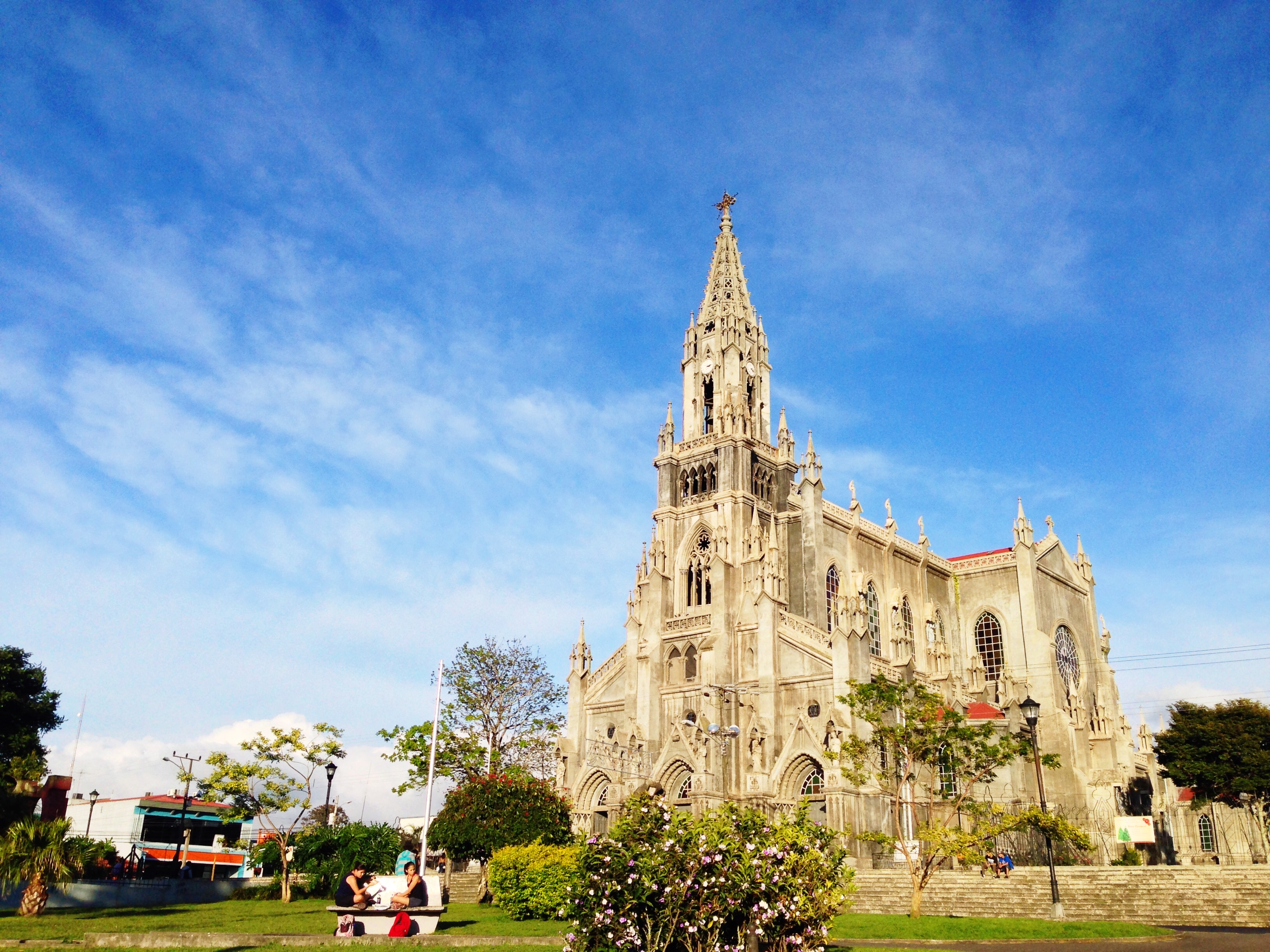
    The church is at the heart of Coronado, a short walk from the school.
    The church is at the heart of Coronado, a short walk from the school.

    With a geography that relates as much to cloud forests as urban plazas, and a cultural identity linked to cattle ranching, Coronado is a mixing point. Parts of it look like country scenes: herds grazing emerald seas, grandmas selling cheese off front porches, families with backyard trout ponds serving up the freshest fish imaginable.

    Yet, there are unmistakable signs that for thousands of commuters, city life begins here. Walled modern homes abut cow pastures. People brunch and work on their laptops at a gourmet bakery and coffee bar. A family-run soda sells typical “casado” plates: heaps of rice, beans, sweet plantains and salad for about $2.50 USD;  while the menu and prices at nearby Papa John’s Pizza chain could be anywhere in the world. In the town’s busy center, life revolves around an impressive neo-Gothic-style Catholic Church.

    Minisuper
    Hand painted sign for a fresh fruit and vegetable super near the Coronado school.
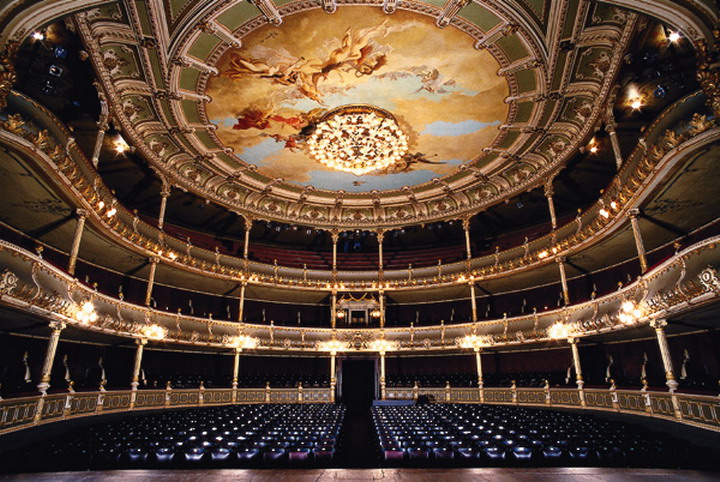
    The National Theatre is one of many cultural meccas close to Coronado.
    The National Theatre is one of many cultural meccas close to Coronado.

    The bus costs about 60 U.S. cents. It can take you in two general directions: up or downhill. Up heads towards Las Nubes, a village appropriately named The Clouds, known for cool climate, incredible views and agriculture. Here you can go horseback riding, catch your own lunch or visit a pristine cloud forest. Further up is Cascajal and Monserrat, the latter immersed in the dense cloudforests that limit with Braulio Carrillo National Park. Down leads to central San José, epicenter of urban culture and government, where dozens of theaters, busy markets and museums await.

    Because Coronado is relatively unchanged by foreign tourism, ordinary stuff like buying food, going out for coffee, getting a haircut and practicing common courtesy are all part of everyday life and your Spanish language education. Buy fresh fruits and veggies every week at a farmer’s market that brings producers from all over the region, or pick up your goods at a small shop down the street with a charming hand-painted sign.

    Jacó Beach

    Jacó is the nearest popular beach to San José and an easy morning drive from Coronado. The 2.5 mile long sandy beach break offers consistent swell year round, with bigger waves to the North and smaller, beginner-friendly waves to the South. Tethered to this famous beach are innumerable restaurants, hotels and bars, along with hospitals, major stores and most any amenity one could look for. Many students customize their schedule with Academia Tica to include stays at both Coronado and Jacó Beach.

    A few generations ago, Jacó was home to a few dozen families, rice fields and roving cattle herds. People tumbled in and out by rock road, taking a ferry across the crocodile-infested Rio Grande de Tárcoles to access distant hospitals or go to the movies in bigger towns to the Northeast. By the mid-20th century people here began to rent palm-roofed cabañas to visitors from the Central Valley and abroad. Today Jacó is book-ended by luxury resorts, a smooth highway delivering visitors from all over the world. People come for the beach, the party scene and the wild places still a stone’s throw from this rapidly developed hub for Pacific Coast tourism.

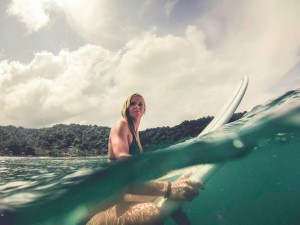
    Enjoying the warm water and friendly waves in Jaco .
    Enjoying the warm water and friendly waves in Jacó Beach.
    One of many colorful characters in Jaco.
    One of many colorful characters in Jacó.

    Just 25km/15 miles North of Jacó you’ll find Carara National Park, a protected tropical rainforest, which has one of the biggest wild populations of colorful scarlet macaws. It is not just a heaven for bird lovers. The park is home to some of the country’s largest American crocodiles, sloths relaxing high up in the trees, different monkeys, frogs and birds.

    One of the country’s most famous (and smallest) parks, Manuel Antonio, is located about 65 km/40 miles South of Playa Jacó. Exploring the lush green rainforest and remote beaches on the many trails, you will easily spot mammals like lazy sloths and cute squirrel monkeys as well as frogs, iguanas and many kinds of birds.

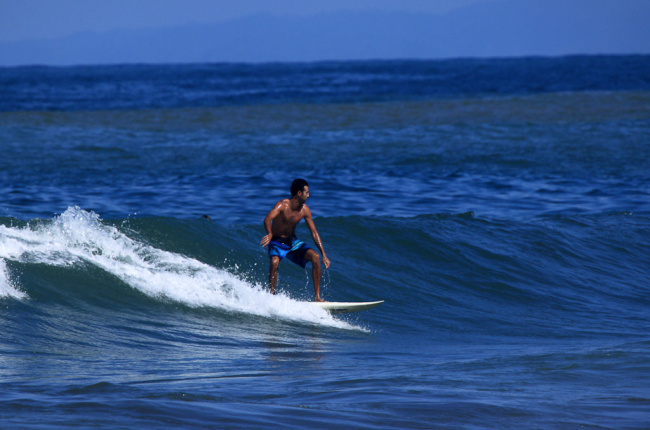
    Jaco has consistent waves for all levels year-round.
    Jacó Beach has consistent waves for all levels year-round.

     Jacó Beach is not only surf. Close to the town (and the school) you can go zip-lining, take a dip in watefall ponds, enjoy the nightlife, go rafting or just sit back, relax and enjoy a cold drink in the tropical setting.

    Academia Tica recommends that you try a bit of both locations and experience all the differences in culture, people, nature and just the general town dynamic. This will defninetively help you get a more integral view of what Costa Rica is, always with the same quality of Spanish tuition!

  • A trip to Mercado Central

    A trip to Mercado Central

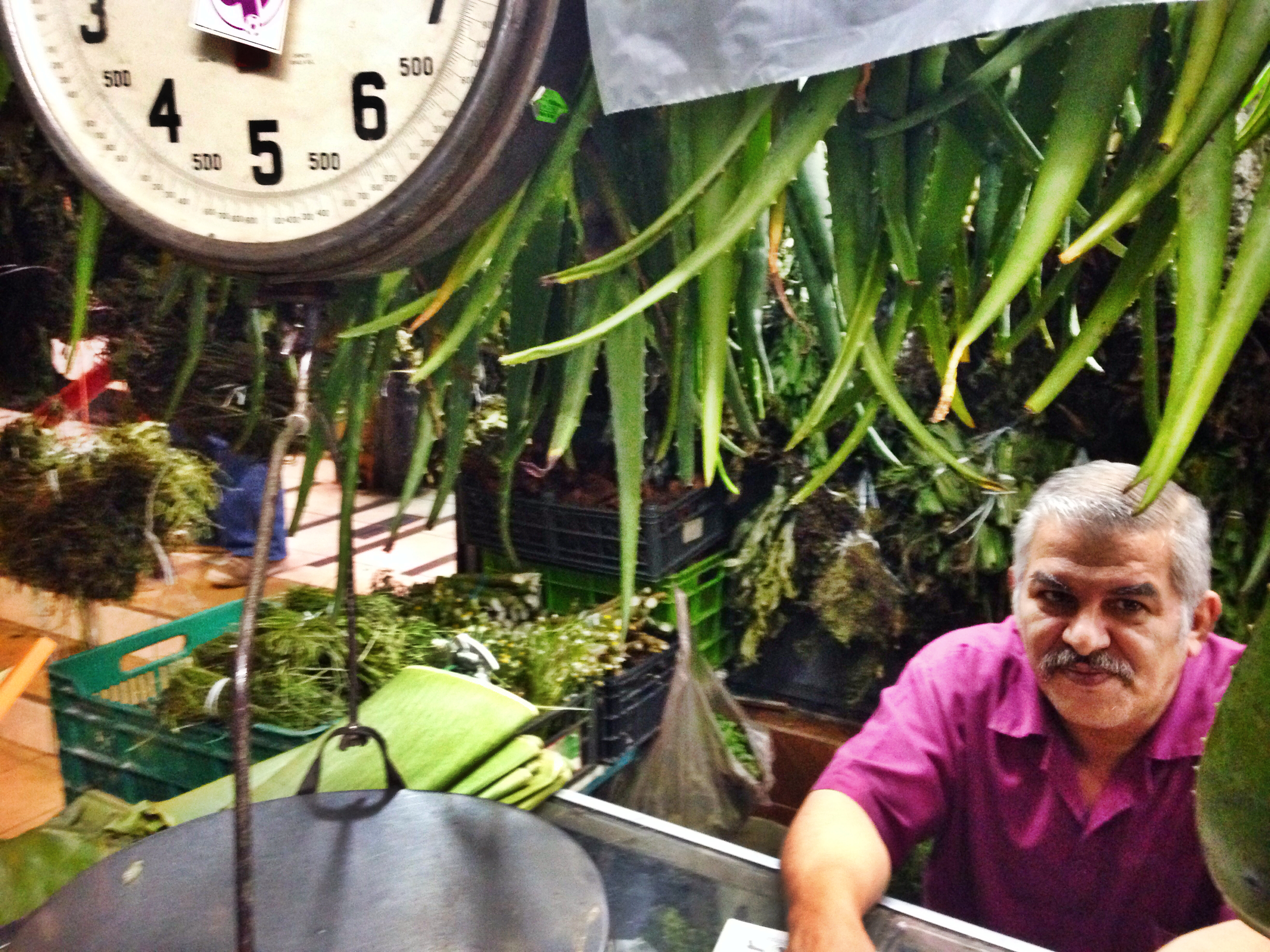
    The Central Market of San José is a feast for the senses, filled with fresh fruits, veggies, flowers, medicinal plants, clothes, souvenirs, seafood, pets, handicrafts, you name it! Before devling into these bustling aisles during a recent class excursion, Prof Mireya gave a spiel about the capital’s commerical heart:

    “The Mercado Central is located between Avenidas 0 and 1 and Calles 6 and 8. It was established in 1880 and declared national patrimony in 1995. Part of the building dates to the end of the 1800s and part was built in the 1940s. The market’s narrow aisles are always full of life, with their own manifestations of popular culture, from typical food and handicrafts, to herbs and ways of speaking.”

    “Està ubicado entre las avenidas 0 y 1 y las calles 6 y 8. Fue establecido en 1880 y declarado patrimonio nacional en 1995. Una parte de su edificio data, precisamente, de finales del siglo XIX y otra fue construida en los años 40 del siglo pasado. Sus angostos pasillos siempre están llenos de vida, con manifestaciones propias de la cultura popular costarricense como la gastronomía, la artesanìa, la herbolaria, y también las formas de hablar.”

    Mercadocentral

    Just a few of the souvenirs at the Mercado Central in San Jose, Costa Rica.
    Just a few of the souvenirs at the Mercado Central in San Jose, Costa Rica.