Category: On Campus

  • From Jacó Beach to Coronado – Desde Playa Jacó hasta Coronado

    From Jacó Beach to Coronado – Desde Playa Jacó hasta Coronado

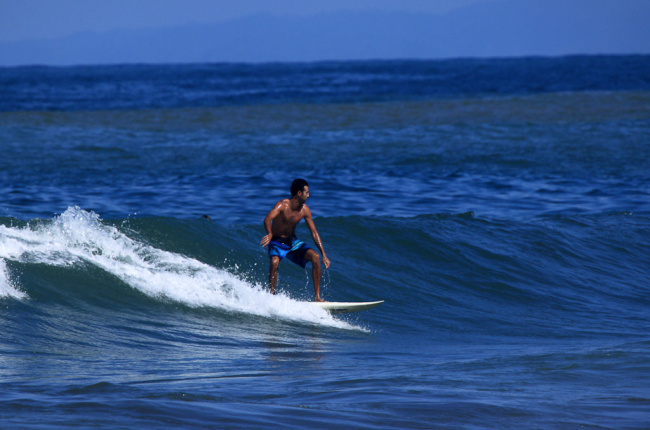
    The day I moved from Jacó Beach to Coronado, my watch didn’t work correctly. It was two hours ahead, so I came to Coronado two hours earlier than I had planned (luckily, it was possible to change the bus ticket that I had bought in advance). I was lucky to come early at my new accommodation as it started to rain heavily for the next hours shortly after my arrival . In Jacó Beach, the rain had never bothered me, and sometimes it was even refreshing because of the hot weather. And surfing in the rain could be fun, too.

    When I packed my suitcase in Germany, I thought, maybe I would need a pullover for especially chilly nights. But I didn’t expect to sometimes need one at daytime, too. For that reason, I had only packed one pair of long trousers and (luckily at least) two pullovers. For the lack of adequate clothes for this temperature, I already missed Jacó Beach a bit. But after the next day and a short tour through Coronado, I found the advantages of both places.

    Jacó Beach
    Jacó Beach Sunset
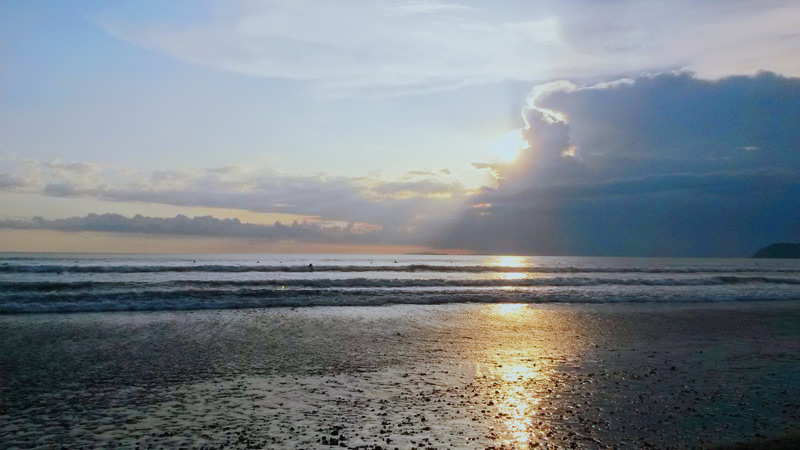
    Sunset in Jacó Beach – Atardecer en Playa Jacó

    In Jacó Beach, it was warm and we have a pool in the garden of the school. There is a nice beach where you can surf, go for a walk or watch the sunset. All the stores and supermarkets are very close to the school apartments and there is also a fantastic “frutería” where I discovered many fruits I had never seen before in Germany. It’s quite a touristic place with a bunch of souvenir shops, bars and restaurants where you can spend the evenings with your friends.

    Coronado
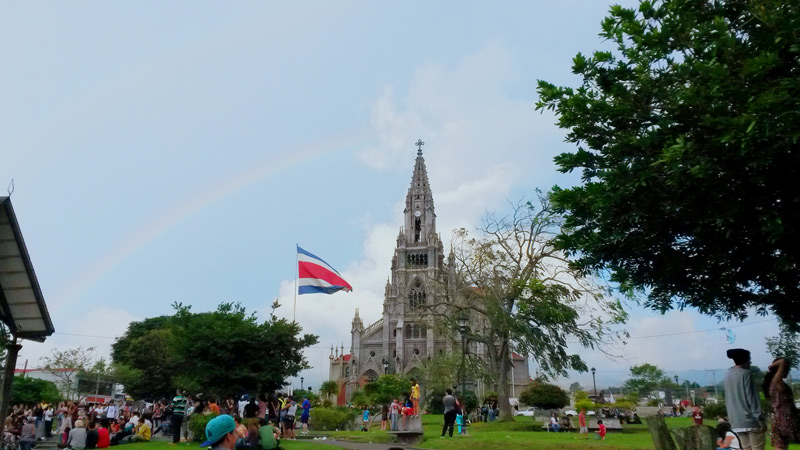
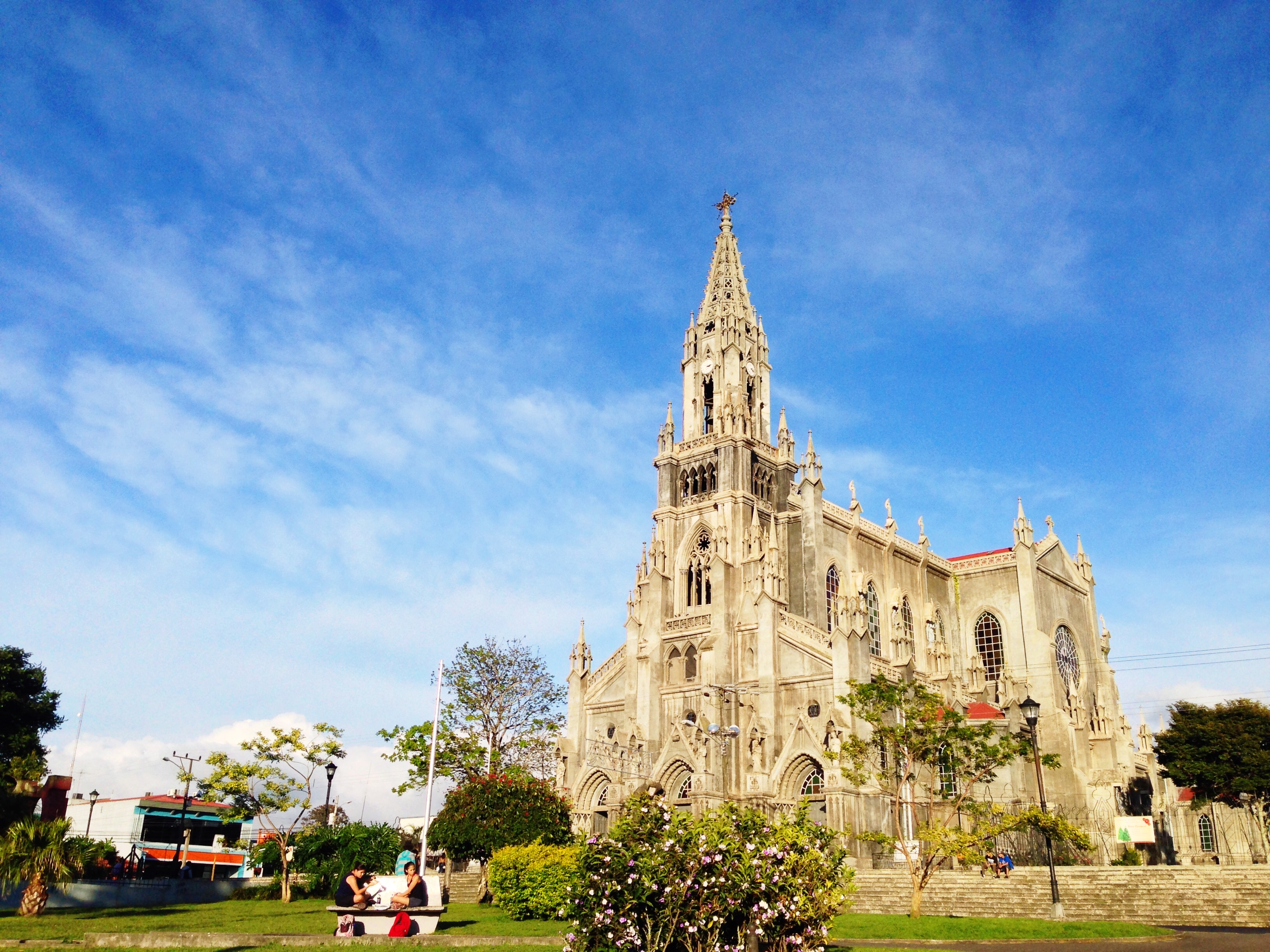
    The church of Coronado, the Costa Rican flag and two rainbows

    Coronado can be cooler, so my advice for everyone: don’t forget to pack some long trousers, pullovers and a jacket for the evenings 😉 As I got to know the first morning, there is a rooster (named Gallo Pinto) in the garden of the campus, which takes its role as alarm clock very seriously.

    In return, the school in Coronado has great things to offer too: the student residence is quite big and bright and is equipped excellently. We have a drier (that is actually unnecessary in Jacó Beach), and the kitchen is well equipped, there is even a rice cooker! On the campus, there is a volleyball net and a table tennis.

    Every noon during the week, Don George comes to the school to bring some typical Caribbean/Costa Rican food like empanadas and tamales. Another service we students really enjoy is the gym at Club Los Jaúles, which is gratis for Academia Tica students. Besides of the swimming pool and the gym at Los Jaúles, the hot showers my roommate had told me about were a reason why I decided to go there (anyways, after a few days I found out, that you could also have a hot shower in the apartment. You only had to turn the water on slowly!).

    The grand supermarkets and the center of Coronado with its beautiful church are located a bit farther (approximately 20 minutes walking) but there are sodas, different restaurants, cafés and stores too. And from Coronado, there is a bus to San José, leaving every 10 minutes. In San José, you can go shopping, watch movies in the cinema, go to the theatre or one of the museums.

    In this way, both schools offer different possibilities, which make them each a nice and interesting place to study Spanish!

    Read it in Spanish!

    El día de mí cambio de Playa Jacó a Coronado, mí reloj tenía algún problema y me indicaba una hora errónea todo el día. Por eso, llegué a Coronado dos horas más temprano (por suerte fue posible cambiar el tiquete de autobús que había comprado antes). Poco después de mi  llegada a Coronado, empezó a llover, así que tuve suerte con haber llegado antes. En Jacó, ha llovido mucho también pero nunca me había importado, porque ahí hacía mucho calor. A veces incluso fue agradable y surfear en la lluvia fue muy divertido.

    Cuando hice mi maleta en Alemania. Pensaba que solo necesitaría una suéter para noches especialmente frías. Pero no era consciente de que de día lo necesitaría a veces también. Por eso, solo había metido un par de pantalones largas y (por suerte al menos) dos sudaderas. Por la falta de ropa adecuada, eché un poco de menos a Jacó, pero después de mi primer día y una vuelta pequeña en Coronado, podía ver varias ventajas de ambos lugares.

    Playa Jacó

    En Jacó, hace mucho calor y hay una piscina en el jardín de la Academia. Hay una playa bonita, donde puedes surfear, dar un paseo o mirar la puesta del sol. Todas las tiendas y supermercados están muy cerca del apartamento, y hay una frutería fantástica, donde puedes encontrar verduras y frutas que nunca antes había visto en Alemania. Es un lugar bastante turístico con muchas tiendas de suvenirs, bares y restaurantes para pasar las tardes con los compañeros.

    Coronado

    Coronado, puede ser un poco fresco, por eso mí recomendación es: no olvide a meter unos pantalones largos, suéter y una chaqueta para noches frescas ;). En la primera mañana me di cuenta que en el jardín vive un gallo (se llama  Gallo Pinto) que toma  su papel como despertador bastante en serio.

    La Academia en Coronado también tiene mucho que ofrecer: el apartamento es bastante grande y luminoso y tiene un equipamiento excelente. Hay una secadora (que por el calor era innecesaria en Jacó). En la cocina hay un horno microondas ¡e incluso una olla arrocera! En el campus, hay una red de voleibol y tenis de mesa. Cada día durante la semana, Don George llega en la tarde para llevar comidas y refrescos típicos del Caribe y de Costa Rica, como empanadas y tamales.

    Algo más que nos gusta mucho es el gimnasio en el Club Los Jaúles cerca de la escuela (que es gratis para estudiantes). Aparte de la piscina y el gimnasio en el Los Jaúles, una razón para ir allí fue que mi compañera de residencia me había dicho que el gimnasio tenía duchas calientes (bueno, después de unos días entendí que es posible tener una ducha caliente en la residencia también, ¡solo tienes que abrir el agua despacio!).

    Los supermercados grandes y el centro de Coronado con su Iglesia linda están a unos 20 minutos pero aquí hay sodas, varios restaurantes, cafés y tiendas diferentes también. Y desde Coronado, cada 10 minutos sale un autobús a San José, donde tienes la posibilidad de ir de compras o visitar varios museos, teatros  o cines.

    Ambas academias ofrecen posibilidades diferentes, que las hacen un lugares bonitos e interesantes para aprender español.

  • The Best of Both Worlds

    The Best of Both Worlds

    Academia Tica has two campuses. Both are situated in classic, well-maintained houses, surrounded by beautiful gardens and staffed by teachers trained in Instituto Cervantes methodology. But beyond the school walls, Jacó and Coronado as are different from each other as the beach is from the mountains.

    Coronado

    Coronado refers to a canton or county, half a dozen neighborhoods and villages that climb up the hills outside of Costa Rica’s capital city. It is literally in the middle of the country, equal distance from the Caribbean and Pacific coasts, from Panama and Nicaragua. Eons ago these temperate highlands were formed by volcanic eruptions. Today part of the forests have been cut into pasture, producing food and dairy products for the valley below, a metropolitan area of 1.8 million people, nearly half the country’s total population.

    The church is at the heart of Coronado, a short walk from the school.
    The church is at the heart of Coronado, a short walk from the school.

    With a geography that relates as much to cloud forests as urban plazas, and a cultural identity linked to cattle ranching, Coronado is a mixing point. Parts of it look like country scenes: herds grazing emerald seas, grandmas selling cheese off front porches, families with backyard trout ponds serving up the freshest fish imaginable.

    Yet, there are unmistakable signs that for thousands of commuters, city life begins here. Walled modern homes abut cow pastures. People brunch and work on their laptops at a gourmet bakery and coffee bar. A family-run soda sells typical “casado” plates: heaps of rice, beans, sweet plantains and salad for about $2.50 USD;  while the menu and prices at nearby Papa John’s Pizza chain could be anywhere in the world. In the town’s busy center, life revolves around an impressive neo-Gothic-style Catholic Church.

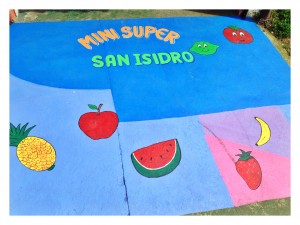
    Minisuper
    Hand painted sign for a fresh fruit and vegetable super near the Coronado school.
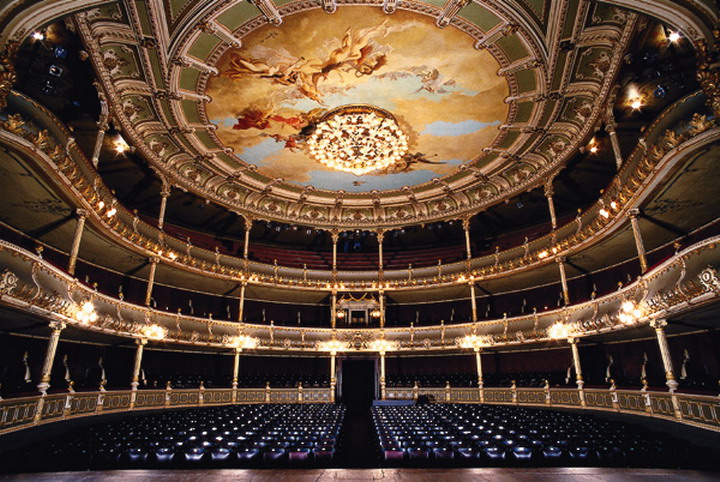
    The National Theatre is one of many cultural meccas close to Coronado.
    The National Theatre is one of many cultural meccas close to Coronado.

    The bus costs about 60 U.S. cents. It can take you in two general directions: up or downhill. Up heads towards Las Nubes, a village appropriately named The Clouds, known for cool climate, incredible views and agriculture. Here you can go horseback riding, catch your own lunch or visit a pristine cloud forest. Further up is Cascajal and Monserrat, the latter immersed in the dense cloudforests that limit with Braulio Carrillo National Park. Down leads to central San José, epicenter of urban culture and government, where dozens of theaters, busy markets and museums await.

    Because Coronado is relatively unchanged by foreign tourism, ordinary stuff like buying food, going out for coffee, getting a haircut and practicing common courtesy are all part of everyday life and your Spanish language education. Buy fresh fruits and veggies every week at a farmer’s market that brings producers from all over the region, or pick up your goods at a small shop down the street with a charming hand-painted sign.

    Jacó Beach

    Jacó is the nearest popular beach to San José and an easy morning drive from Coronado. The 2.5 mile long sandy beach break offers consistent swell year round, with bigger waves to the North and smaller, beginner-friendly waves to the South. Tethered to this famous beach are innumerable restaurants, hotels and bars, along with hospitals, major stores and most any amenity one could look for. Many students customize their schedule with Academia Tica to include stays at both Coronado and Jacó Beach.

    A few generations ago, Jacó was home to a few dozen families, rice fields and roving cattle herds. People tumbled in and out by rock road, taking a ferry across the crocodile-infested Rio Grande de Tárcoles to access distant hospitals or go to the movies in bigger towns to the Northeast. By the mid-20th century people here began to rent palm-roofed cabañas to visitors from the Central Valley and abroad. Today Jacó is book-ended by luxury resorts, a smooth highway delivering visitors from all over the world. People come for the beach, the party scene and the wild places still a stone’s throw from this rapidly developed hub for Pacific Coast tourism.

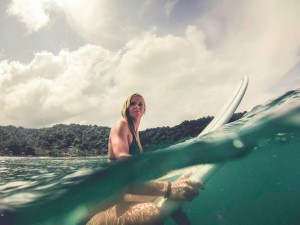
    Enjoying the warm water and friendly waves in Jaco .
    Enjoying the warm water and friendly waves in Jacó Beach.
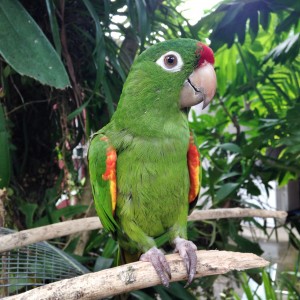
    One of many colorful characters in Jaco.
    One of many colorful characters in Jacó.

    Just 25km/15 miles North of Jacó you’ll find Carara National Park, a protected tropical rainforest, which has one of the biggest wild populations of colorful scarlet macaws. It is not just a heaven for bird lovers. The park is home to some of the country’s largest American crocodiles, sloths relaxing high up in the trees, different monkeys, frogs and birds.

    One of the country’s most famous (and smallest) parks, Manuel Antonio, is located about 65 km/40 miles South of Playa Jacó. Exploring the lush green rainforest and remote beaches on the many trails, you will easily spot mammals like lazy sloths and cute squirrel monkeys as well as frogs, iguanas and many kinds of birds.

    Jaco has consistent waves for all levels year-round.
    Jacó Beach has consistent waves for all levels year-round.

     Jacó Beach is not only surf. Close to the town (and the school) you can go zip-lining, take a dip in watefall ponds, enjoy the nightlife, go rafting or just sit back, relax and enjoy a cold drink in the tropical setting.

    Academia Tica recommends that you try a bit of both locations and experience all the differences in culture, people, nature and just the general town dynamic. This will defninetively help you get a more integral view of what Costa Rica is, always with the same quality of Spanish tuition!

  • El Sabor: Taste a la Tica

    El Sabor: Taste a la Tica

    “El Sabor, el Sabor!” – This friendly shout fills Academia Tica’s patio every school day at noon, when hungry students flock towards the sound of Caribbean music and the wide smile of Don George. He emerges from a van and opens the side door to reveal baskets and coolers brimming with treats, which hungry students have been yearning for throughout the morning’s intensive Spanish classes.

    And it´s not just any food, either. Don George specializes in typical fare from the Caribbean part of Costa Rica in addition to snacks like hamburgers, sandwiches, brownies and cheese cake. Everything is home-made by George and his wife every morning. He is always willing to explain every type of meal to students if they are about to eat something for the first time and often he also lets you try some things before you buy. Even after several months of living and studying at Academia Tica, it is still possible finding new things in George’s van and to not yet get “fed up” at lunch.

    Here are some meals you should have a go at:

    George with his famously delicious rice and beans.
    George with his famously delicious rice and beans.
    • Empanada de pollo: a pastry made of cornmeal and filled with spiced chicken, typically eaten in Costa Rica as a snack while having a (black!) coffee
    • Patí: similar to an empanada but stuffed with minced beef and available in three different levels of spiciness – watch out for the red cross on the paper bag!
    • Vigorón: the typical Costa Rican picnic dish comes with yucca, tomato, cabbage and crispy pork crackling
    • Ceviche: a fresh fish cocktail with lime juice, chili and cilantro
    • Arroz con pollo del Caribe: in contrast to the Costa Rican much-loved “Gallo Pinto” (rice and beans) this meal is enriched with coconut milk. George serves it along with chicken, salad, fried plantain and a fruit juice.

    And for those of you with a sweet tooth:

    • Pan de yucazanahoria o banano: a piece of delicious cake of yucca, carrot or banana – not too sweet and very moist/mellow
    • Tamal: there are three different types of “tamales” made from cornmeal. George offers the sweet “Tamal asado” which looks a bit like German cheese cake
    • Cocada: a sun-shaped pastry from Jamaica with a sweet and spiced coconut stuffing
    • Arroz con leche: this cup of sweet rice pudding with cinnamon is one of the students’ favorites
    • Tresleches: a typical Nicaraguan dessert brought to Costa Rica by the immigrants. The sponge cake is soaked with three types of milk and topped with a rich cream. Sometimes George adds strawberries or cacao to give this cake a special note.

    …just to name a few!


  • Where to begin? Advice for starting your studies…

    Where to begin? Advice for starting your studies…

    A few of Academia Tica’s most experienced instructors offered advice on how to begin the rewarding process of learning Spanish. With 65 years of teaching experience between them, we thought it worthwhile to share these kernels of wisdom with the world. Enjoy!

    “The number one must for new students is simply wanting to study. Step two is actually studying, then studying, studying and studying some more. Finally, don’t just practice in the classroom, practice anytime you can with whomever you can, at the supermarket, with friends, colleagues or your host family.” -Elizabeth Gamboa

    “If you want to learn you have to have an open mind, be willing to be surprised and not rationalize everything according to what you are already know. Really open your mind and admire what you are learning. Feel the language, feel the rhythm and let it flow.”  Santiago González

    It is very important to practice after class. You don’t even need another person to do this. Use a mirror and talk to yourself if you need to. Practice the structure and the grammar. It is not enough to only practice in class because you will forget things.” – Mireya Mora
    The experts agree: hard work, openness and a good attitude are at the heart of learning anything new. But immersion might be the closest thing to a magic bullet for learning a language, along with committed teachers who actually care about your progress. 
  • Graduación y despedida de Hiroshi

    Graduación y despedida de Hiroshi

    El pasado viernes, luego de 6 meses y 750 clases en Academia Tica, nuestro querido estudiante Hiroshi recibió su diploma terminando así su estadía con nosotros.

    Hiroshi realizó una presentación muy emotiva con la que se despidió del cuerpo académico y administrativo de nuestra escuela, así como de sus otros compañeros que también terminaron lecciones ese mismo día: Johannes y Jenny.

    A todos les deseamos mucha suerte en su futuro y esperamos que usen mucho el español que aprendieron en Academia Tica. ¡Felicidades y gracias por estudiar con nosotros!

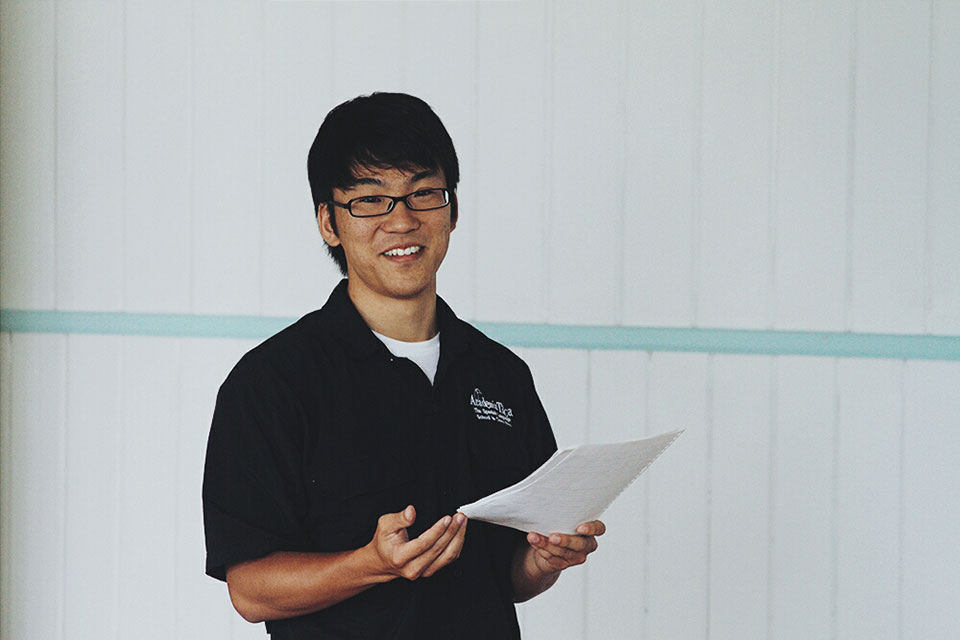
    Hiroshi dando su presentación.
    Hiroshi dando su presentación.
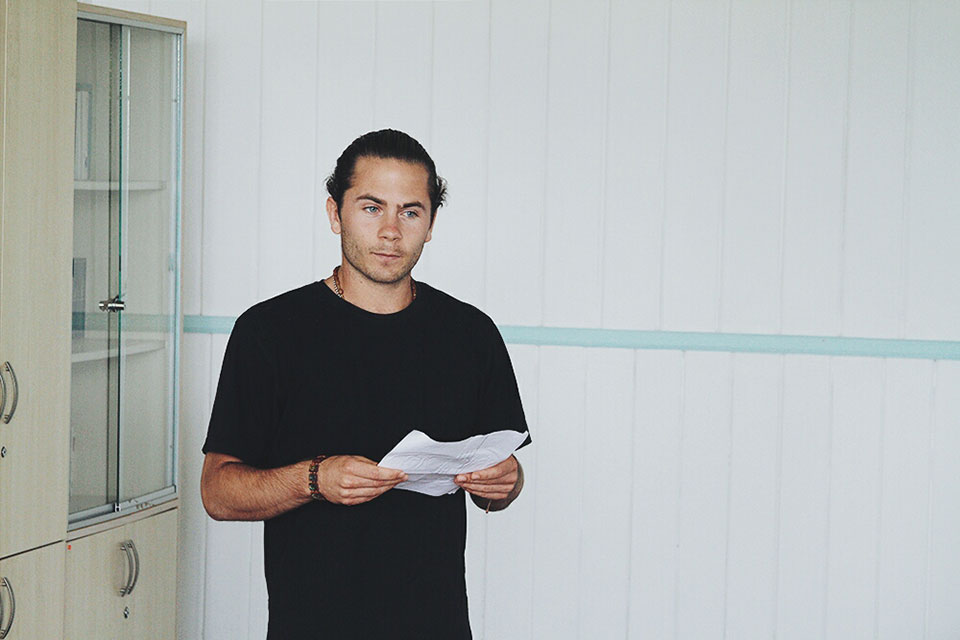
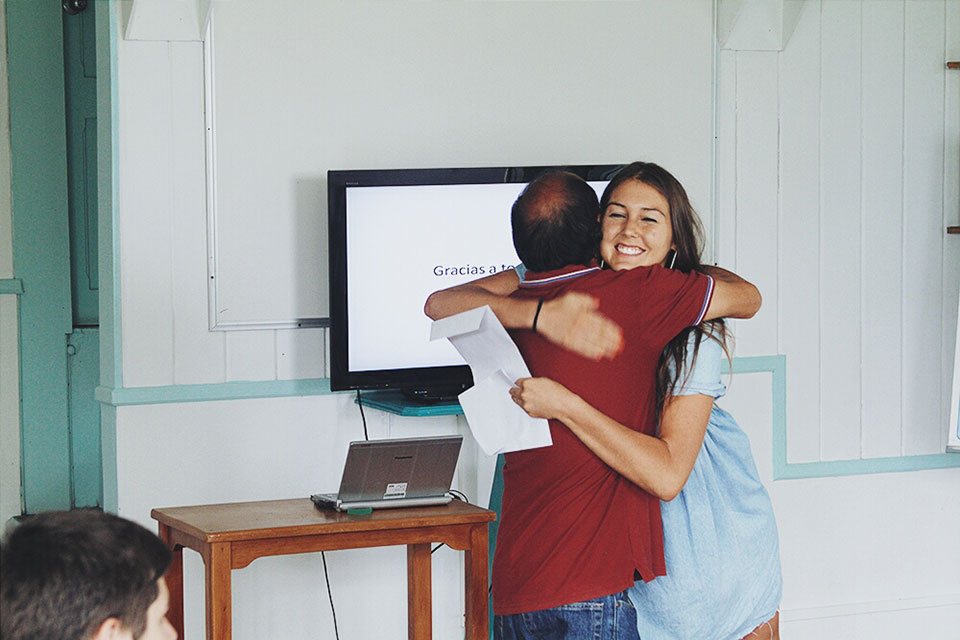
    Johaness dando las gracias a Academia Tica.
    Johaness dando las gracias a Academia Tica.
    Jenny recibiendo su diploma.
    Jenny recibiendo su diploma.
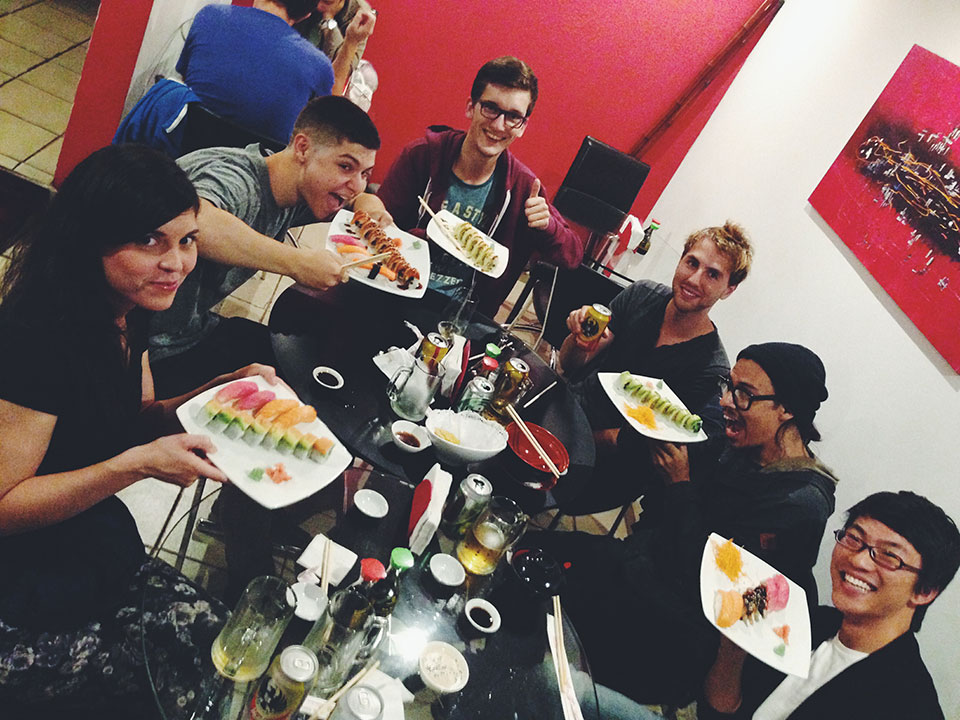
    Cena de despedida estilo japonés.
    Sushi de despedida de Hiroshi.

    Last Friday, after 6 months and 750 Spanish lessons with us, our dear student Hiroshi received his diploma and so, finishing his stay in Costa Rica and at Academia Tica.

    Hiroshi made a very emotional presentation, saying goodbye to his teachers, the school staff and the other students that also had their graduation that same day: Johannes and Jenny.

    We wish them all the best of luck and that they can put the Spanish learned here to good use! Congratulations and thanks for studying with us!