Month: October 2014

  • Piñata, café y ping pong

    Piñata, café y ping pong

    Nuestro querido estudiante Eli es el nuevo campeón de ping pong de la academia. El mismo día de su cumpleaños ganó el torneo y recibió una piñata por parte de sus compañeros, que después reventó con mucho esfuerzo.

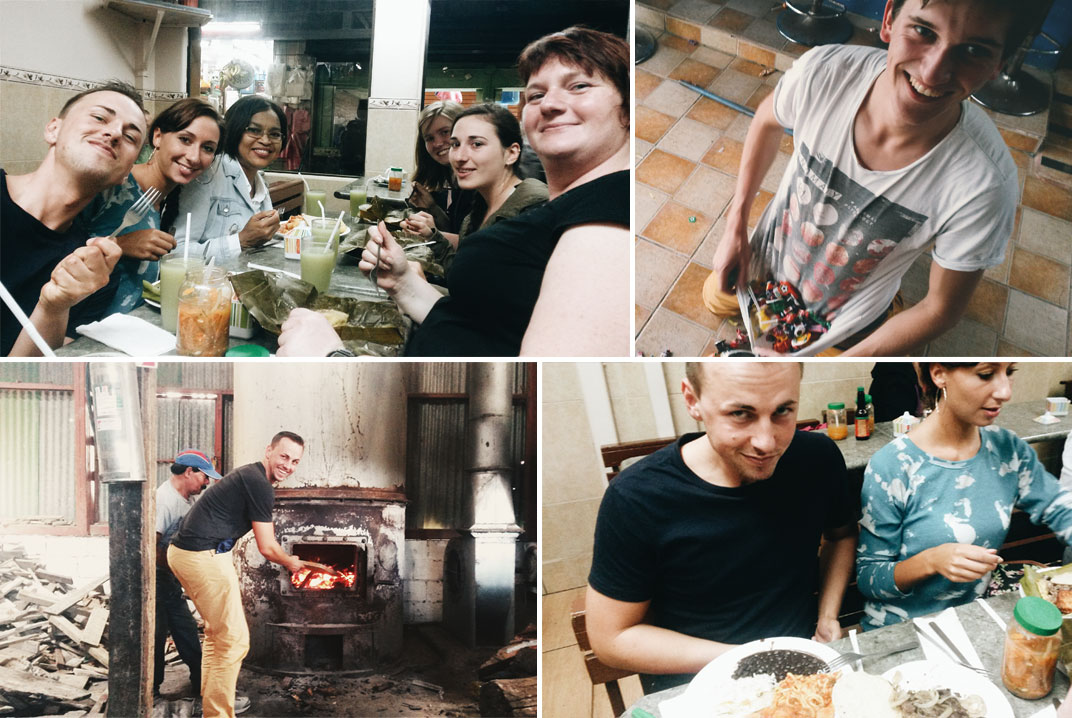
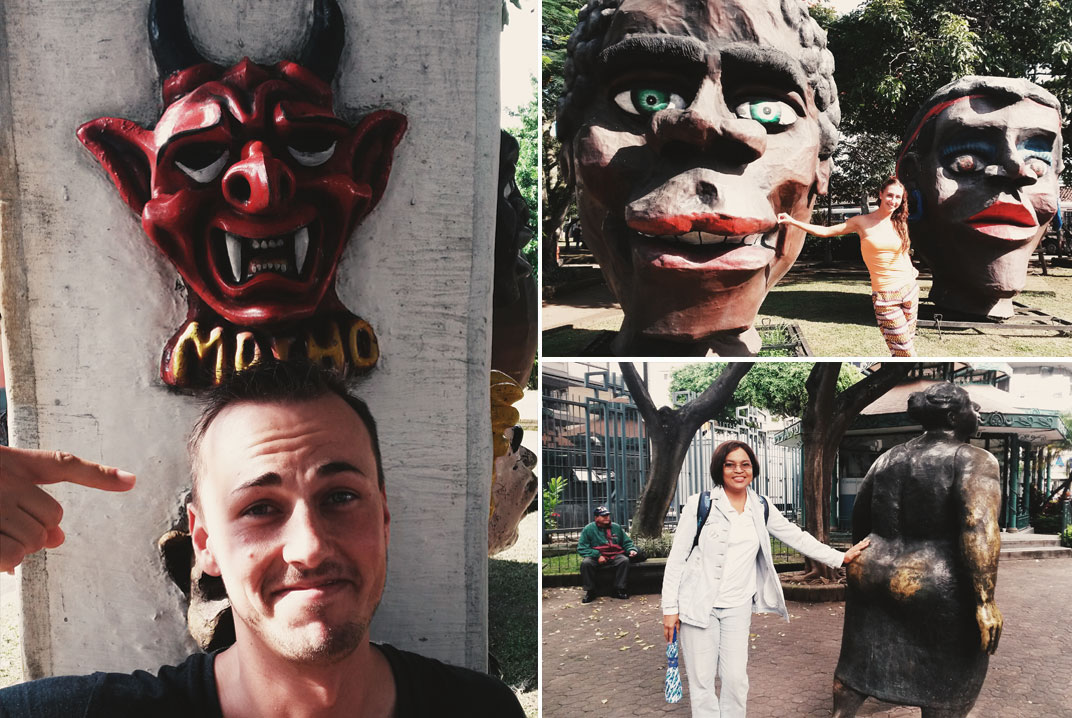
    Esta misma semana visitamos el centro de San José y el Mercado Central. Comimos en una auténtica “soda” tipica y descubrimos que a todos nos gusta el cas.

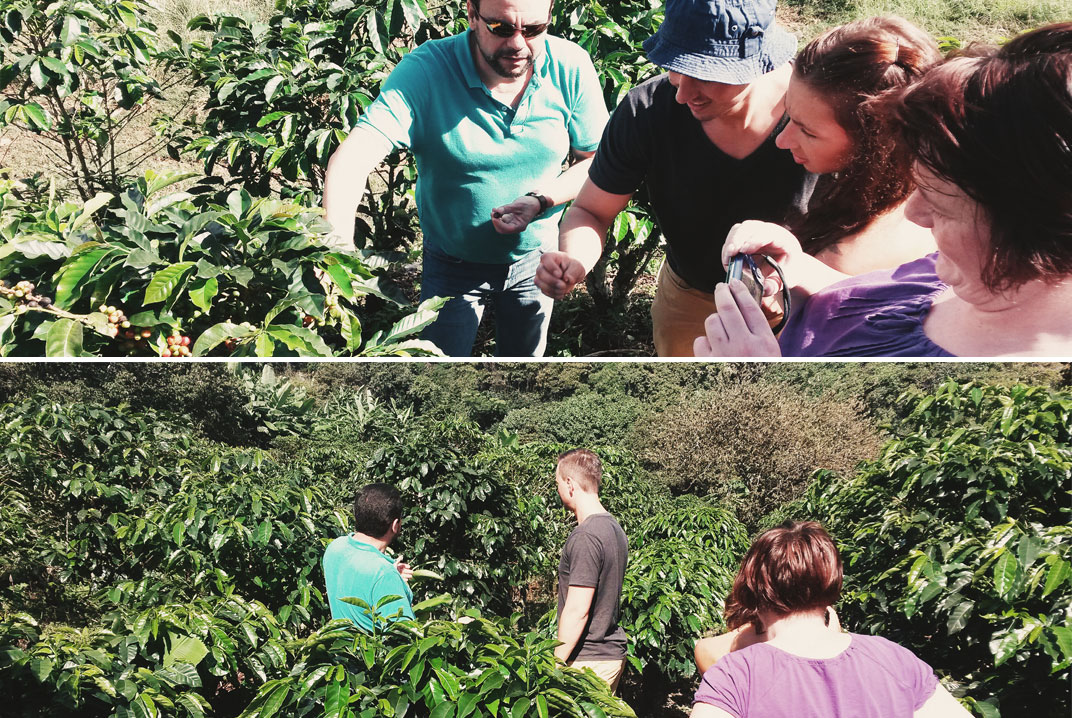
    La última actividad a la que asistimos la semana pasada fue la visita a un beneficio y plantación de café. Aprendimos sobre el proceso del café y luego visitamos el parque de Barva en la provincia de Heredia. La pasamos muy bien en todas las actividades, ¡aquí están las fotos que lo demuestran!
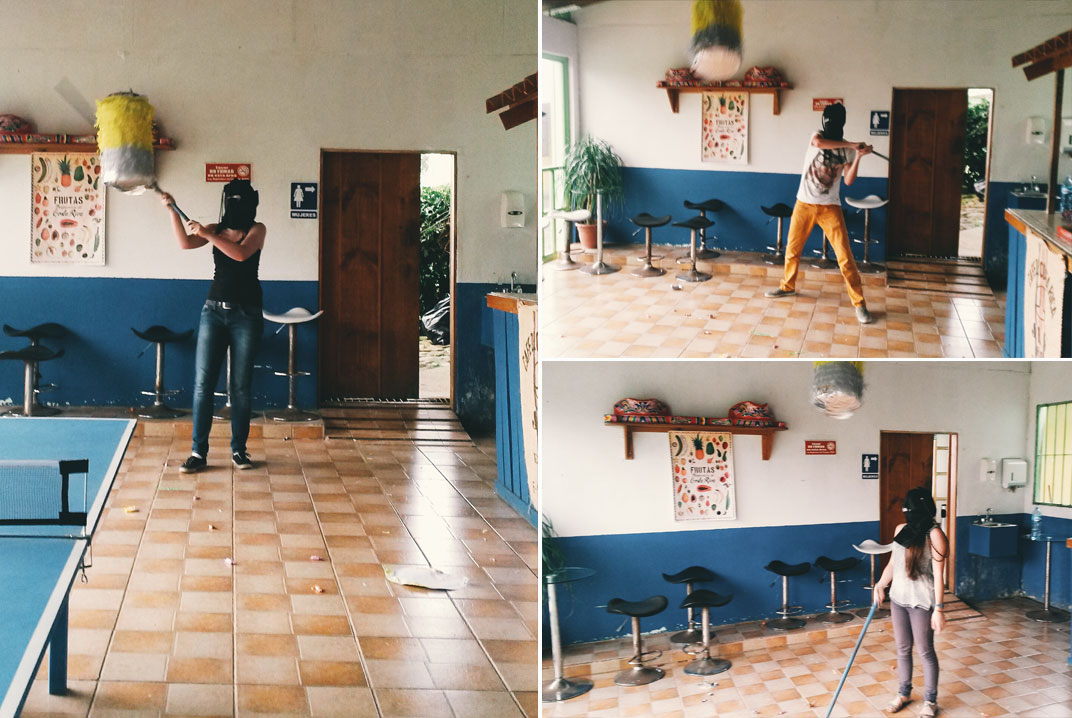
    Corinna, Eli y Agathe tratando de golpear la piñata.
    Corinna, Eli y Agathe tratando de golpear la piñata.
    La vida estudiantil nunca es aburrida.
    La vida estudiantil nunca es aburrida.
    Interactuando con la comunidad.
    Interactuando con la comunidad.
    Nuestro grano de oro.
    Nuestro grano de oro.
    Aprendiendo sobre la vida en el cafetal.
    Aprendiendo sobre la vida en el cafetal.

    Our dear student Eli is our new ping pong champion. He won on his birthday and recieved a “piñata” from his fellow students. That same week, we went on a city tour to down town San José and visited the Mercado Central where we ate and discovered that we all like cas (tropical fruit).

    The last activity of the past week was the tour to the coffee mill and coffee plantation. We learned a lot about the process and also visited the town of Barva de Heredia. We had a really good time and here are the photos that prove it!
  • El Sabor: Taste a la Tica

    El Sabor: Taste a la Tica

    “El Sabor, el Sabor!” – This friendly shout fills Academia Tica’s patio every school day at noon, when hungry students flock towards the sound of Caribbean music and the wide smile of Don George. He emerges from a van and opens the side door to reveal baskets and coolers brimming with treats, which hungry students have been yearning for throughout the morning’s intensive Spanish classes.

    And it´s not just any food, either. Don George specializes in typical fare from the Caribbean part of Costa Rica in addition to snacks like hamburgers, sandwiches, brownies and cheese cake. Everything is home-made by George and his wife every morning. He is always willing to explain every type of meal to students if they are about to eat something for the first time and often he also lets you try some things before you buy. Even after several months of living and studying at Academia Tica, it is still possible finding new things in George’s van and to not yet get “fed up” at lunch.

    Here are some meals you should have a go at:

    George with his famously delicious rice and beans.
    George with his famously delicious rice and beans.
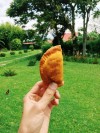
    • Empanada de pollo: a pastry made of cornmeal and filled with spiced chicken, typically eaten in Costa Rica as a snack while having a (black!) coffee
    • Patí: similar to an empanada but stuffed with minced beef and available in three different levels of spiciness – watch out for the red cross on the paper bag!
    • Vigorón: the typical Costa Rican picnic dish comes with yucca, tomato, cabbage and crispy pork crackling
    • Ceviche: a fresh fish cocktail with lime juice, chili and cilantro
    • Arroz con pollo del Caribe: in contrast to the Costa Rican much-loved “Gallo Pinto” (rice and beans) this meal is enriched with coconut milk. George serves it along with chicken, salad, fried plantain and a fruit juice.

    And for those of you with a sweet tooth:

    • Pan de yucazanahoria o banano: a piece of delicious cake of yucca, carrot or banana – not too sweet and very moist/mellow
    • Tamal: there are three different types of “tamales” made from cornmeal. George offers the sweet “Tamal asado” which looks a bit like German cheese cake
    • Cocada: a sun-shaped pastry from Jamaica with a sweet and spiced coconut stuffing
    • Arroz con leche: this cup of sweet rice pudding with cinnamon is one of the students’ favorites
    • Tresleches: a typical Nicaraguan dessert brought to Costa Rica by the immigrants. The sponge cake is soaked with three types of milk and topped with a rich cream. Sometimes George adds strawberries or cacao to give this cake a special note.

    …just to name a few!


  • Horsing around

    Horsing around

    The hand-painted sign showing two bridled horses does not point towards a fancy place. Turning down this stone driveway off the main road through Las Nubes will not deliver you to a state-of-the-art equine training facility. Nor are these lush pastures described in any Lonely Planet guidebooks. Yet, the animals grazing these hills speak volumes about the culture of Costa Rica’s Central Valley, where horses are not just historical throwbacks but remain essential for work, getting around and showing off in distinctly Tico style.

    About 5 km from the school “Coronado a Caballo” offers informal, very affordable “cabalgatas” ( trail rides), based out of a modest stable with 50 or so well-cared-for horses, frequented by Ticos much more than foreign tourists. The Costa Rican saddle horses raised here are colloquially known as “criollos,” descended from Spanish and Peruvian breeds. Some are trained to make impressive, dance-like movements, with dramatic knees and dropped noses, like someone who sees a spider in every step. The trail horses are less flashy, with smooth sure-footed gaits even in rough terrain.

    The hills and farms east of our Coronado campus certainly qualify. While only a short distance from the most densely populated and urbanized cities in the country, much of the highlands are still only accessibly by horse, motorbike or 4×4 vehicle. The road to Las Nubes disintegrates into skeins of rock and mud about 10 km from the school as it passes near the edge of Braulio Carrillo National Park.

    Horseback riding provides unique panoramic views of the Central Valley below, the Cordillera Central mountains and cloud forests above. Plus that sense of freedom and possibility that for whatever reason, only seems to come when you’re a meter off the ground on the back of a trusty horse.

    The light and the land in Coronado, San Jose, Costa Rica.
    The light and the land in Coronado, San Jose, Costa Rica.

     -Emily Jo Cureton


  • Where to begin? Advice for starting your studies…

    Where to begin? Advice for starting your studies…

    A few of Academia Tica’s most experienced instructors offered advice on how to begin the rewarding process of learning Spanish. With 65 years of teaching experience between them, we thought it worthwhile to share these kernels of wisdom with the world. Enjoy!

    “The number one must for new students is simply wanting to study. Step two is actually studying, then studying, studying and studying some more. Finally, don’t just practice in the classroom, practice anytime you can with whomever you can, at the supermarket, with friends, colleagues or your host family.” -Elizabeth Gamboa

    “If you want to learn you have to have an open mind, be willing to be surprised and not rationalize everything according to what you are already know. Really open your mind and admire what you are learning. Feel the language, feel the rhythm and let it flow.”  Santiago González

    It is very important to practice after class. You don’t even need another person to do this. Use a mirror and talk to yourself if you need to. Practice the structure and the grammar. It is not enough to only practice in class because you will forget things.” – Mireya Mora
    The experts agree: hard work, openness and a good attitude are at the heart of learning anything new. But immersion might be the closest thing to a magic bullet for learning a language, along with committed teachers who actually care about your progress.