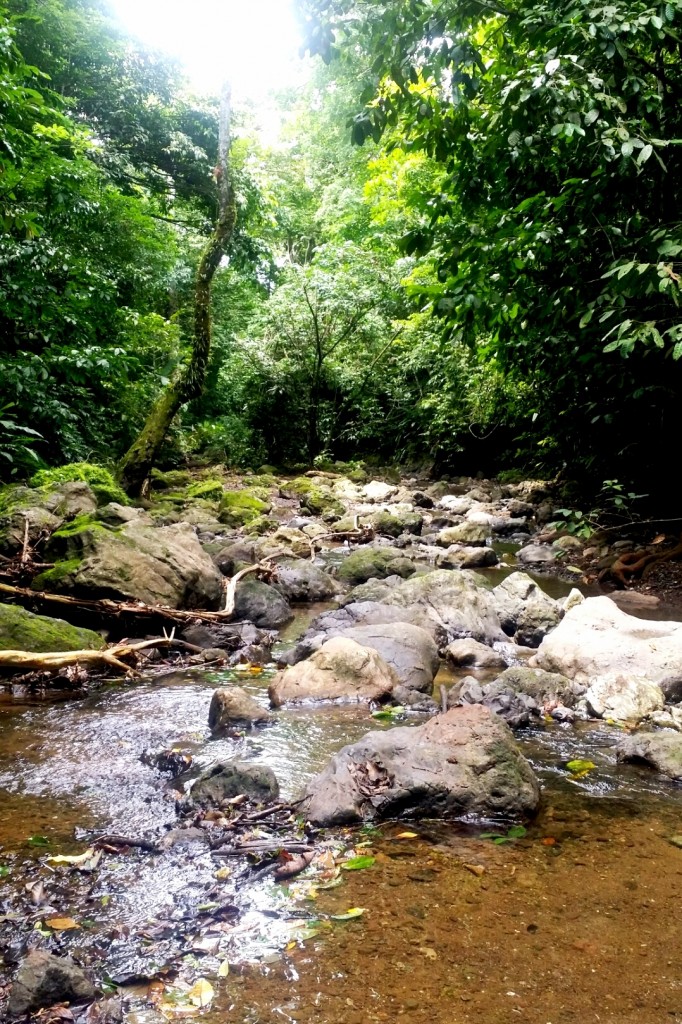
Tag: Cool places to go

  • The Best of Both Worlds

    The Best of Both Worlds

    Academia Tica has two campuses. Both are situated in classic, well-maintained houses, surrounded by beautiful gardens and staffed by teachers trained in Instituto Cervantes methodology. But beyond the school walls, Jacó and Coronado as are different from each other as the beach is from the mountains.

    Coronado

    Coronado refers to a canton or county, half a dozen neighborhoods and villages that climb up the hills outside of Costa Rica’s capital city. It is literally in the middle of the country, equal distance from the Caribbean and Pacific coasts, from Panama and Nicaragua. Eons ago these temperate highlands were formed by volcanic eruptions. Today part of the forests have been cut into pasture, producing food and dairy products for the valley below, a metropolitan area of 1.8 million people, nearly half the country’s total population.
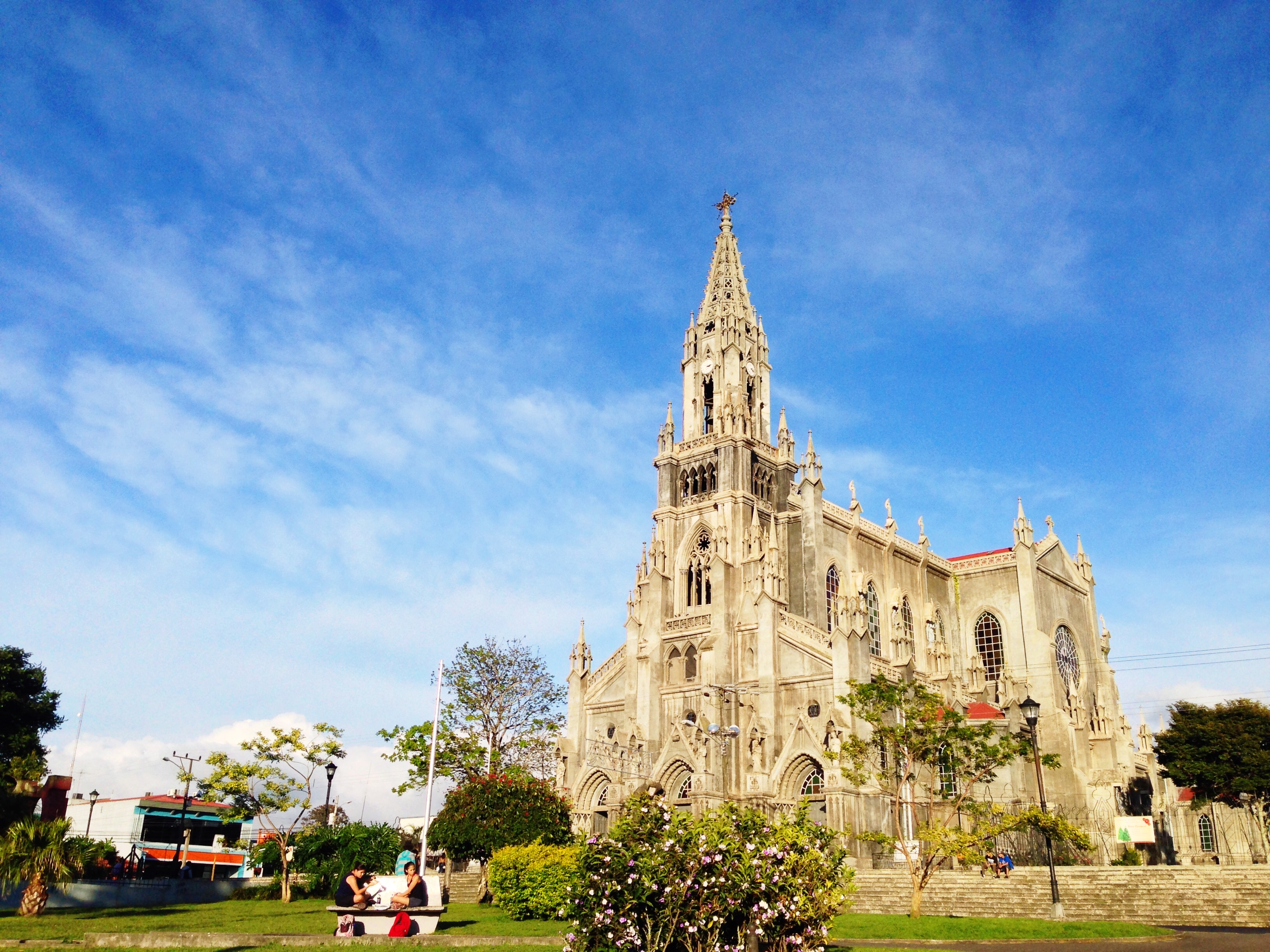
    The church is at the heart of Coronado, a short walk from the school.
    The church is at the heart of Coronado, a short walk from the school.

    With a geography that relates as much to cloud forests as urban plazas, and a cultural identity linked to cattle ranching, Coronado is a mixing point. Parts of it look like country scenes: herds grazing emerald seas, grandmas selling cheese off front porches, families with backyard trout ponds serving up the freshest fish imaginable.

    Yet, there are unmistakable signs that for thousands of commuters, city life begins here. Walled modern homes abut cow pastures. People brunch and work on their laptops at a gourmet bakery and coffee bar. A family-run soda sells typical “casado” plates: heaps of rice, beans, sweet plantains and salad for about $2.50 USD;  while the menu and prices at nearby Papa John’s Pizza chain could be anywhere in the world. In the town’s busy center, life revolves around an impressive neo-Gothic-style Catholic Church.
    Minisuper
    Hand painted sign for a fresh fruit and vegetable super near the Coronado school.
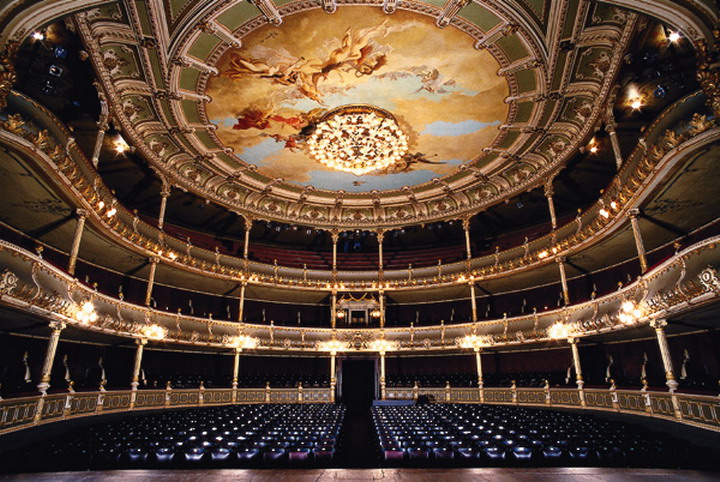
    The National Theatre is one of many cultural meccas close to Coronado.
    The National Theatre is one of many cultural meccas close to Coronado.

    The bus costs about 60 U.S. cents. It can take you in two general directions: up or downhill. Up heads towards Las Nubes, a village appropriately named The Clouds, known for cool climate, incredible views and agriculture. Here you can go horseback riding, catch your own lunch or visit a pristine cloud forest. Further up is Cascajal and Monserrat, the latter immersed in the dense cloudforests that limit with Braulio Carrillo National Park. Down leads to central San José, epicenter of urban culture and government, where dozens of theaters, busy markets and museums await.

    Because Coronado is relatively unchanged by foreign tourism, ordinary stuff like buying food, going out for coffee, getting a haircut and practicing common courtesy are all part of everyday life and your Spanish language education. Buy fresh fruits and veggies every week at a farmer’s market that brings producers from all over the region, or pick up your goods at a small shop down the street with a charming hand-painted sign.

    Jacó Beach

    Jacó is the nearest popular beach to San José and an easy morning drive from Coronado. The 2.5 mile long sandy beach break offers consistent swell year round, with bigger waves to the North and smaller, beginner-friendly waves to the South. Tethered to this famous beach are innumerable restaurants, hotels and bars, along with hospitals, major stores and most any amenity one could look for. Many students customize their schedule with Academia Tica to include stays at both Coronado and Jacó Beach.

    A few generations ago, Jacó was home to a few dozen families, rice fields and roving cattle herds. People tumbled in and out by rock road, taking a ferry across the crocodile-infested Rio Grande de Tárcoles to access distant hospitals or go to the movies in bigger towns to the Northeast. By the mid-20th century people here began to rent palm-roofed cabañas to visitors from the Central Valley and abroad. Today Jacó is book-ended by luxury resorts, a smooth highway delivering visitors from all over the world. People come for the beach, the party scene and the wild places still a stone’s throw from this rapidly developed hub for Pacific Coast tourism.
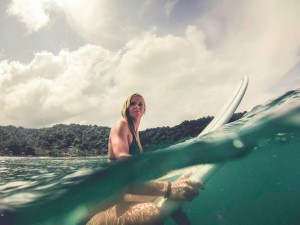
    Enjoying the warm water and friendly waves in Jaco .
    Enjoying the warm water and friendly waves in Jacó Beach.
    One of many colorful characters in Jaco.
    One of many colorful characters in Jacó.

    Just 25km/15 miles North of Jacó you’ll find Carara National Park, a protected tropical rainforest, which has one of the biggest wild populations of colorful scarlet macaws. It is not just a heaven for bird lovers. The park is home to some of the country’s largest American crocodiles, sloths relaxing high up in the trees, different monkeys, frogs and birds.

    One of the country’s most famous (and smallest) parks, Manuel Antonio, is located about 65 km/40 miles South of Playa Jacó. Exploring the lush green rainforest and remote beaches on the many trails, you will easily spot mammals like lazy sloths and cute squirrel monkeys as well as frogs, iguanas and many kinds of birds.
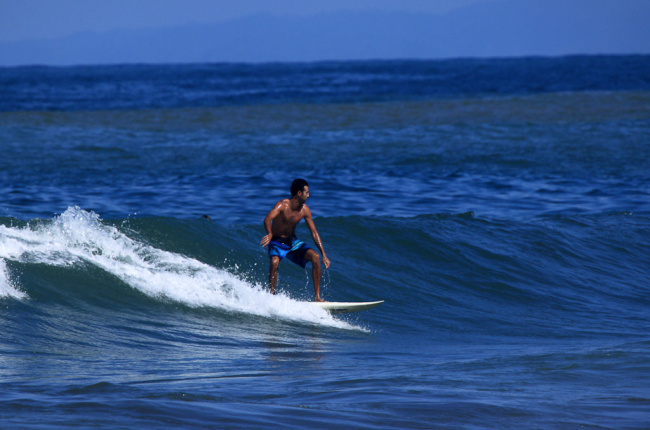
    Jaco has consistent waves for all levels year-round.
    Jacó Beach has consistent waves for all levels year-round.

     Jacó Beach is not only surf. Close to the town (and the school) you can go zip-lining, take a dip in watefall ponds, enjoy the nightlife, go rafting or just sit back, relax and enjoy a cold drink in the tropical setting.

    Academia Tica recommends that you try a bit of both locations and experience all the differences in culture, people, nature and just the general town dynamic. This will defninetively help you get a more integral view of what Costa Rica is, always with the same quality of Spanish tuition!

  • A trip to Mercado Central

    A trip to Mercado Central

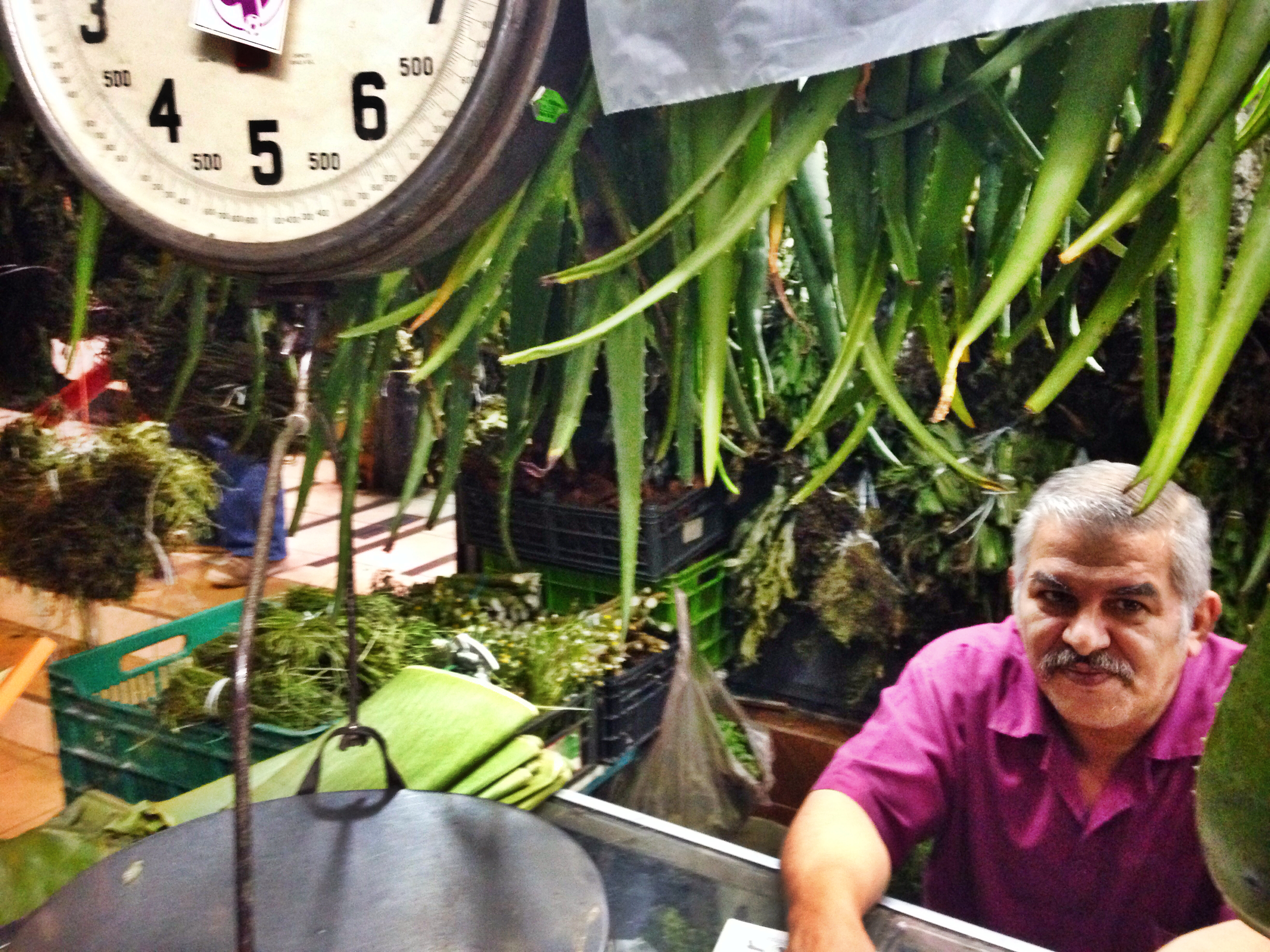
    The Central Market of San José is a feast for the senses, filled with fresh fruits, veggies, flowers, medicinal plants, clothes, souvenirs, seafood, pets, handicrafts, you name it! Before devling into these bustling aisles during a recent class excursion, Prof Mireya gave a spiel about the capital’s commerical heart:

    “The Mercado Central is located between Avenidas 0 and 1 and Calles 6 and 8. It was established in 1880 and declared national patrimony in 1995. Part of the building dates to the end of the 1800s and part was built in the 1940s. The market’s narrow aisles are always full of life, with their own manifestations of popular culture, from typical food and handicrafts, to herbs and ways of speaking.”

    “Està ubicado entre las avenidas 0 y 1 y las calles 6 y 8. Fue establecido en 1880 y declarado patrimonio nacional en 1995. Una parte de su edificio data, precisamente, de finales del siglo XIX y otra fue construida en los años 40 del siglo pasado. Sus angostos pasillos siempre están llenos de vida, con manifestaciones propias de la cultura popular costarricense como la gastronomía, la artesanìa, la herbolaria, y también las formas de hablar.”

    Mercadocentral

    Just a few of the souvenirs at the Mercado Central in San Jose, Costa Rica.
    Just a few of the souvenirs at the Mercado Central in San Jose, Costa Rica.
  • Horsing around

    Horsing around

    The hand-painted sign showing two bridled horses does not point towards a fancy place. Turning down this stone driveway off the main road through Las Nubes will not deliver you to a state-of-the-art equine training facility. Nor are these lush pastures described in any Lonely Planet guidebooks. Yet, the animals grazing these hills speak volumes about the culture of Costa Rica’s Central Valley, where horses are not just historical throwbacks but remain essential for work, getting around and showing off in distinctly Tico style.

    About 5 km from the school “Coronado a Caballo” offers informal, very affordable “cabalgatas” ( trail rides), based out of a modest stable with 50 or so well-cared-for horses, frequented by Ticos much more than foreign tourists. The Costa Rican saddle horses raised here are colloquially known as “criollos,” descended from Spanish and Peruvian breeds. Some are trained to make impressive, dance-like movements, with dramatic knees and dropped noses, like someone who sees a spider in every step. The trail horses are less flashy, with smooth sure-footed gaits even in rough terrain.

    The hills and farms east of our Coronado campus certainly qualify. While only a short distance from the most densely populated and urbanized cities in the country, much of the highlands are still only accessibly by horse, motorbike or 4×4 vehicle. The road to Las Nubes disintegrates into skeins of rock and mud about 10 km from the school as it passes near the edge of Braulio Carrillo National Park.

    Horseback riding provides unique panoramic views of the Central Valley below, the Cordillera Central mountains and cloud forests above. Plus that sense of freedom and possibility that for whatever reason, only seems to come when you’re a meter off the ground on the back of a trusty horse.

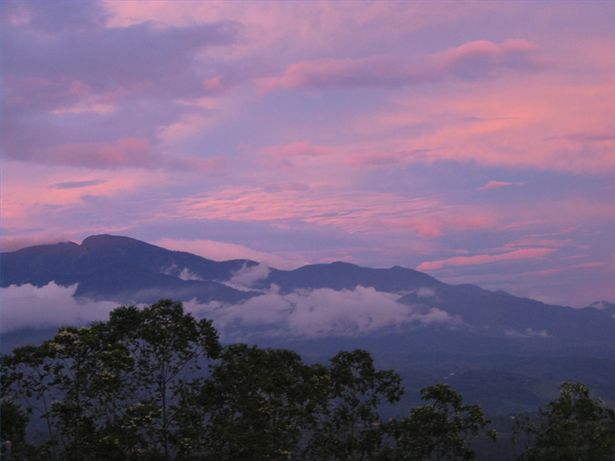
    The light and the land in Coronado, San Jose, Costa Rica.
    The light and the land in Coronado, San Jose, Costa Rica.

     -Emily Jo Cureton


  • Catching lunch in Coronado

    Catching lunch in Coronado

    Up the hill from Academia Tica Coronado a cozy little place by the side of the road serves up about the freshest trout imaginable, Tico style.

    At this family-run “trucheria,” (trucha means trout), you can catch your own lunch from a backyard pond. Luckily professionals take over from there. Have a seat in the rustic dining room as the fish is seasoned and grilled to perfection, then served with rice, fries, plantains and salad. To find this authentic cultural gem, take the bus to Las Nubes to the very last stop in Cascajal, then keep going up the road by foot. This 3km walk wends through beautiful pastures with sweeping views of the Central Valley. Look for reassuring signs that say “Bella Vista Trucheria, XX metros.” You have arrived when a sign in a driveway on the left that says, “Bienvenidos” with a giant fish painting. Open weekends and holidays.


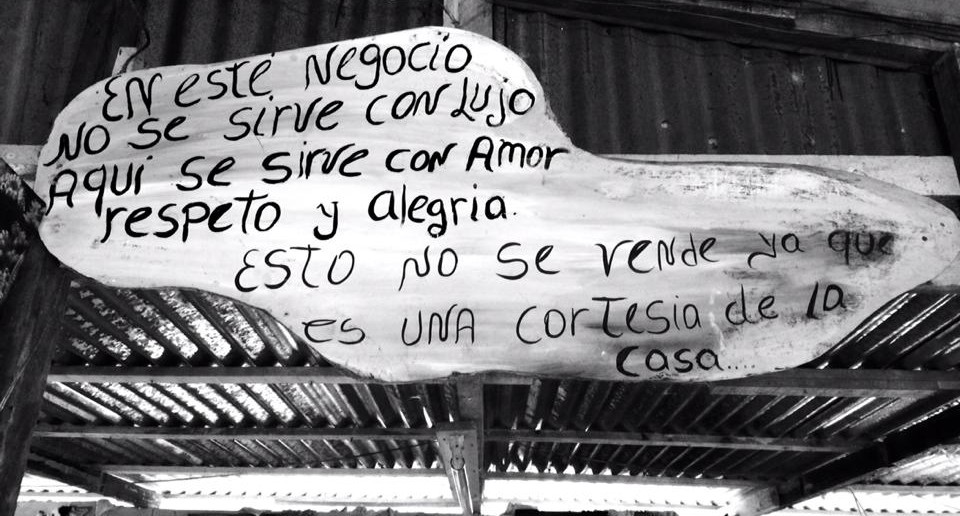
    This sign spells out the philosophy at Bella Vista Trucheria in Coronado.
    This sign spells out the philosophy at Bella Vista Trucheria in Coronado.
    Fresh trout served at a homespun restaurant near Academia Tica Coronado.
    Fresh trout served at a homespun restaurant near Academia Tica Coronado.


  • Las Cataratas – A day trip to the waterfalls

    Las Cataratas – A day trip to the waterfalls

    One Friday morning in Jacó Beach: Our group of seven Academia Tica students was being picked up in front of the apartments by Alan, our tour guide for the day. A 45 minutes drive southbound along the coast led us to the beginning of a narrow path through private farmland. First we passed chicken and horses, then the trail continued through the forest, crossing some little streams. Finally we reached the waterfall that made its way down through the jungle like a stairway for giants. Beautiful to see…and now what? I thought the hike would continue to the other ones – since the only thing I knew about the waterfalls back then was: there are at least 3 of them. And it did, just not in the way I expected. Alan began to climb up the rock wall beside the waterfall. We all watched him disappear as he jumped into the pool above. So we left our things at the bottom and followed him up. The second waterfall filled a nice deep pool where some of us dipped in (or in my case: half accidently slipped in). The others were already on their way up higher.

    “Once you are up there, the only way down is to jump!” Alan pointed out to us with a provocative twinkle in his eyes. Hesitating and still not quite sure about jumping down the not entirely vertical rock face, I climbed up next to the waterfall holding on to roots and little ledges. Once up there you could see the third and fourth waterfall with their round pools caved out of the dark rock around. The view down into the jungle was amazing! After another swim in the refreshing clear pools and a little massage of the top one of the waterfalls, it was time for the way back down.

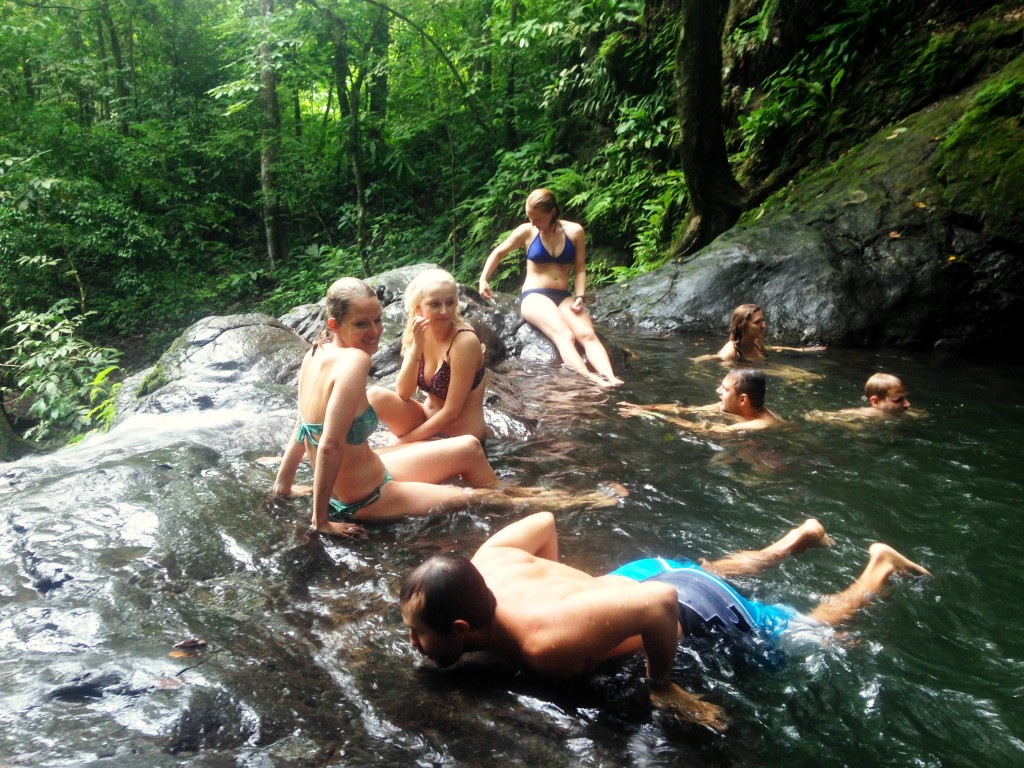
    Academia Tica students relaxing in the refreshing pool between two waterfalls.
    Academia Tica students relaxing in the refreshing pool between two waterfalls.

    Jumping from the upper waterfall was really fun. One by one we climbed to a spot where you could just let yourself fall into the pool a few meters beneath. The more than 5 meter jump into the last pool was a bit more thrilling. You had to stand on a little ledge where only your heels could fit and from that point jump forward since the rocks were not that steep. But we all did it – there was no other way, right? At this point big respect for Bob, one of the students in his seventies, who enjoyed it as much as everyone else! Full of adrenaline some of us jumped over and over again while the others were relaxing in the pool or tried (and partly succeeded) climbing up beneath the waterfall not being able to see where your hands could grip since the water kept lashing down onto your face.

    Perfectly content and definitely with an unforgettable experience more we later made our way back to Jacó. What a fun and unique day.

    ¡PURA VIDA!

    Cataratas
    Fresh clear water making its ways through the forest at “Las Cataratas Las Pilas” near Parrita.

    – Susanna Kowalzik