Category: Culture

  • My general impressions of Costa Rica

    My general impressions of Costa Rica

    After a few weeks in Costa Rica, I’ve experienced some facts and got some impressions about this country. Here I tell you a bit more about some of them.

    Food

    The day I arrived in Jacó was a Sunday. I had read in my tourist guide, that only in some bigger cities there were supermarkets which are open on Sundays. And even those, only until noon. But the supermarkets in Jacó were open, even if it was already 6:00 pm! So, I didn’t have to starve on my first day (of course, it would have been possible to go to one of the sodas with typical and quite cheap food, too…).

    In the supermarket, something strange caught my eye: a packet of chips with lemon and salt. Chips with lemon and salt? As I got to know later, there are a few strange combinations that Costa Ricans like: lemon and salt for the salad dressing instead of vinegar and oil, unripe mangoes with salt and pejibayes (which is a fruit tasting similar to marron) with mayonnaise!

    Showers and internet

    Back in the apartment, I learned the next fact: showers in Jacó worked differently to those in Germany. My roommate told me the water was always cold. It took me a while to understand that this was not true: the water doesn’t stay cold, if you turn it up slowly.

    Besides of the misinformation about the opening hours, my tourist guide said, that WiFi wasn’t widespread in Costa Rica. But at least in public places like bars, restaurants and all the hostels I’ve been, there was free WiFi. Maybe this information had been correct a few years ago, but now, luckily, it had changed. Therefore: even with a Facebook addiction, you will survive in Costa Rica very well 😉

    Ticos

    The experience I had been looking forward to the most were the ticos. It’s well-known that Costa Ricans are particularly happy and friendly people. And I was keen to know, how they really were. After a while in Costa Rica I knew, that the ticos were really friendly. When I went to the bank the first time to withdraw money (the cash machine didn’t work so I had to go inside) the woman on the counter advised me to do it in the supermarket in front of the bank, because the fees there were lower. I was pleased about her advice, but I didn’t understand why she told me this. Wasn’t it better for the bank I payed them this fee? In Germany, something like this would never happen to me…

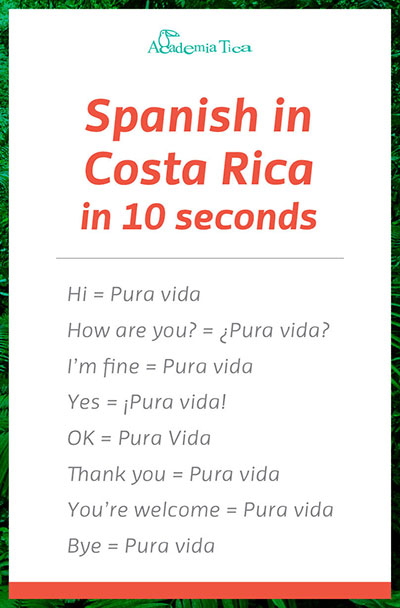
    And when you walk on the streets, you will always be greeted by the people. First, it was a little bit strange to me. But I got used to it and I liked that people greeted each other. In general, they greet you with “¡Pura Vida!” which is more than only a greeting. This phrase corresponds to their attitude to everything. The ticos are satisfied with their life and live here and now: ¡Pura Vida!
    spanish-in-10-sec-2

    Read it in Spanish!

    Después de unas semanas en Costa Rica, he obtenido varias impresiones y experimentado hechos diferentes sobre este país. Aquí les cuento algunas de ellas.

    La comida

    Cuando llegué a Jacó, era domingo. En un guía turística, había leído que solo en algunas ciudades más grandes hay supermercados que tienen abierto los domingos y esto solo hasta el mediodía. ¡Pero los supermercados en Jacó estaban abiertos aunque ya eran las 6:00 pm! Por eso, no tenía que morir de hambre en mí primer día (claro, habría sido posible comer en una de las sodas – con comida típica y barata).

    En el supermercado, me di cuenta de algo raro: una bolsa de papas fritas con limón y sal. ¿Papa fritas con limón y sal? Más tarde me di cuenta que a los costarricenses les gustan algunas combinaciones raras: el limón y la sal son los ingredientes del aderezo para ensaladas, en lugar de vinagre balsámico y aceite. También comen mango verde con sal. ¡Y comen pejibaye (que es una fruta que sabe similar a la castaña) con mayonesa!

    Duchas e internet

    De vuelta en el apartamento, aprendí  el próximo hecho: las duchas en Costa Rica funcionan diferente de las de Alemania. Mi compañera de piso me dijo que el agua siempre era fría. Duró un rato antes de que entendiera que eso no era correcto: el agua no permanece fría si abres la ducha poco a poco.

    Además de la información incorrecta sobre los horarios comerciales,  mí guía turística decía que en Costa Rica,  el wifi no era común. Al menos en lugares públicos como bares, restaurantes y todos los hostales a donde fui, tenían internet gratis. Quizás esta información fue correcta hace unos años, pero ahora, por suerte, ha cambiado. Vas a sobrevivir en Costa Rica, aun si tienes una adicción a Facebook 😉

    Los ticos

    La experiencia que tenía más ganas de tener era conocer a los ticos. Es sabido que los costarricenses son  particularmente felices y amables. Por eso tenía curiosidad de saber cómo eran los ticos realmente. Y después de un tiempo me di cuenta que los ticos son de verdad bastante amables.

    Cuando fui al banco por primera vez para sacar dinero el cajero automático del banco estaba estropeado. La señora en la ventanilla me recomendó sacarlo en el supermercado frente al banco, porque ahí las tasas eran más baratas. Me alegré, pero no entendí por qué ella me había dado esta recomendación. ¿No era bueno para el banco si les pago a ellos esta tasa? En Alemania, nunca me pasaría algo así…

    Y cuando estás caminando por la calle, la gente siempre te saluda. Al principio, era un poco raro para mí, pero me acostumbré de eso y me encantó que uno a otro no se ignoraran. Por lo general, te saludan con ¡Pura Vida! que  es mucho más que solo un saludo. Esta frase corresponde a su actitud hacia todo. Los ticos están contentos con su vida y viven aquí y ahora: ¡Pura Vida!

  • A trip to Mercado Central

    A trip to Mercado Central

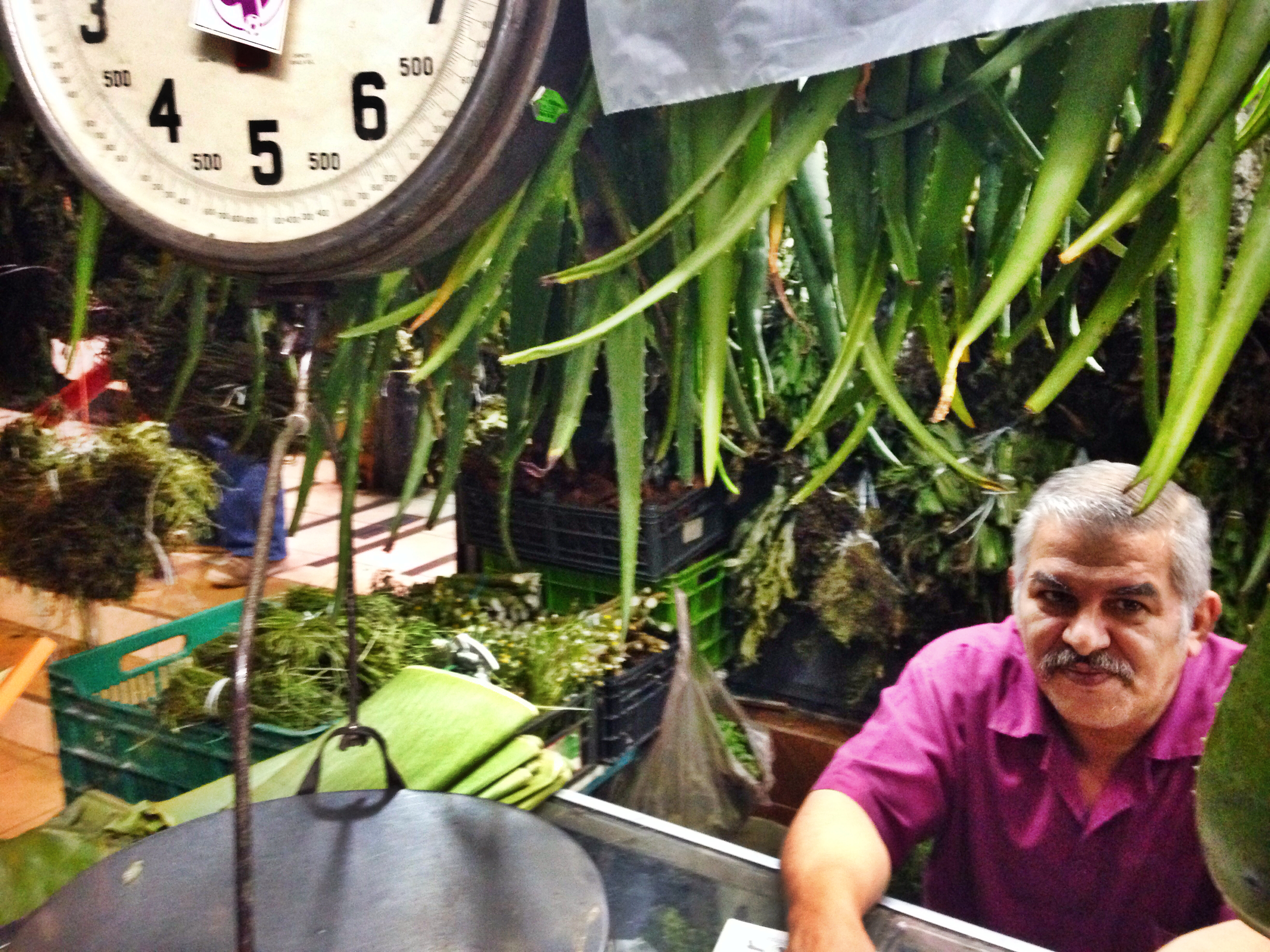
    The Central Market of San José is a feast for the senses, filled with fresh fruits, veggies, flowers, medicinal plants, clothes, souvenirs, seafood, pets, handicrafts, you name it! Before devling into these bustling aisles during a recent class excursion, Prof Mireya gave a spiel about the capital’s commerical heart:

    “The Mercado Central is located between Avenidas 0 and 1 and Calles 6 and 8. It was established in 1880 and declared national patrimony in 1995. Part of the building dates to the end of the 1800s and part was built in the 1940s. The market’s narrow aisles are always full of life, with their own manifestations of popular culture, from typical food and handicrafts, to herbs and ways of speaking.”

    “Està ubicado entre las avenidas 0 y 1 y las calles 6 y 8. Fue establecido en 1880 y declarado patrimonio nacional en 1995. Una parte de su edificio data, precisamente, de finales del siglo XIX y otra fue construida en los años 40 del siglo pasado. Sus angostos pasillos siempre están llenos de vida, con manifestaciones propias de la cultura popular costarricense como la gastronomía, la artesanìa, la herbolaria, y también las formas de hablar.”

    Mercadocentral

    Just a few of the souvenirs at the Mercado Central in San Jose, Costa Rica.
    Just a few of the souvenirs at the Mercado Central in San Jose, Costa Rica.
  • Piñata, café y ping pong

    Piñata, café y ping pong

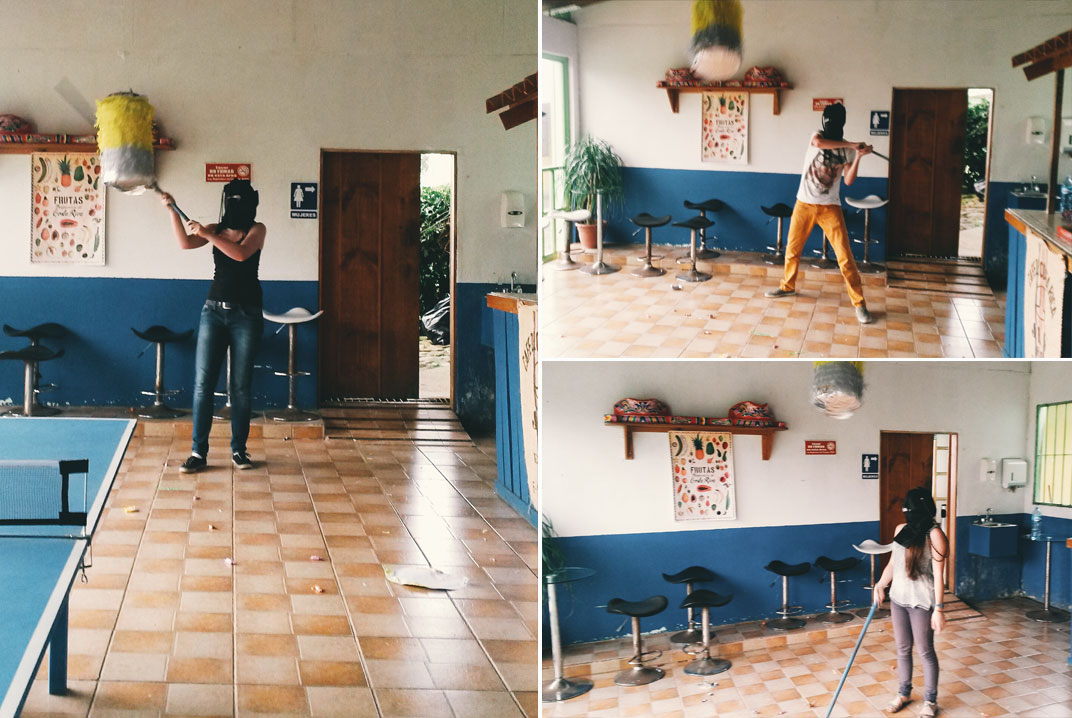
    Nuestro querido estudiante Eli es el nuevo campeón de ping pong de la academia. El mismo día de su cumpleaños ganó el torneo y recibió una piñata por parte de sus compañeros, que después reventó con mucho esfuerzo.

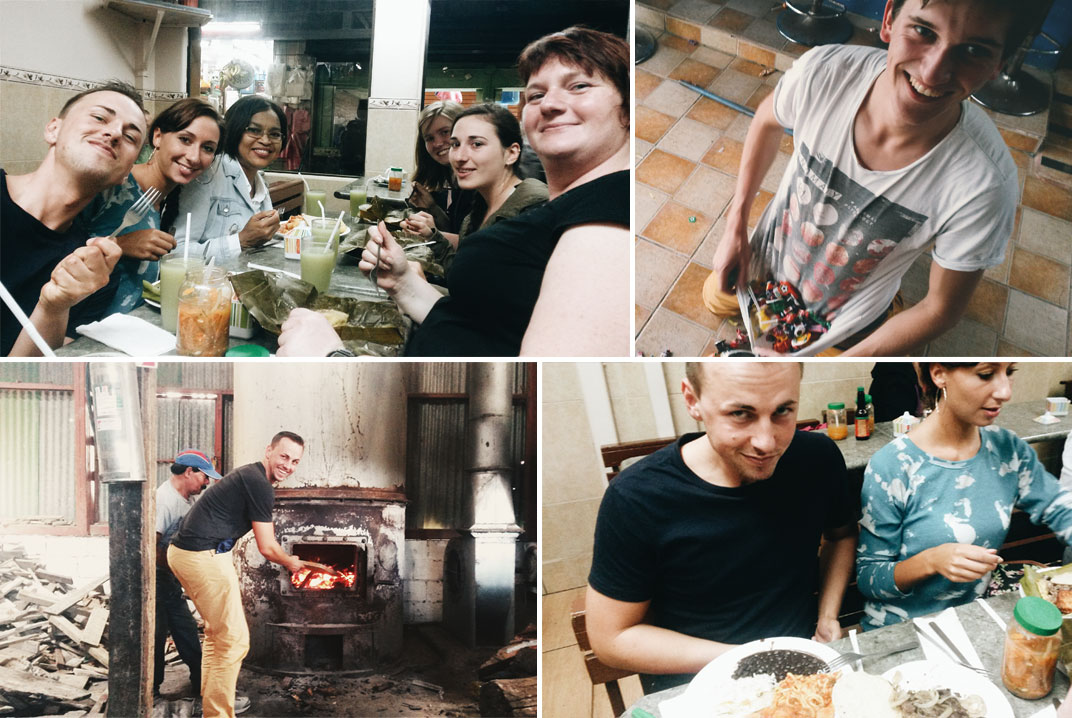
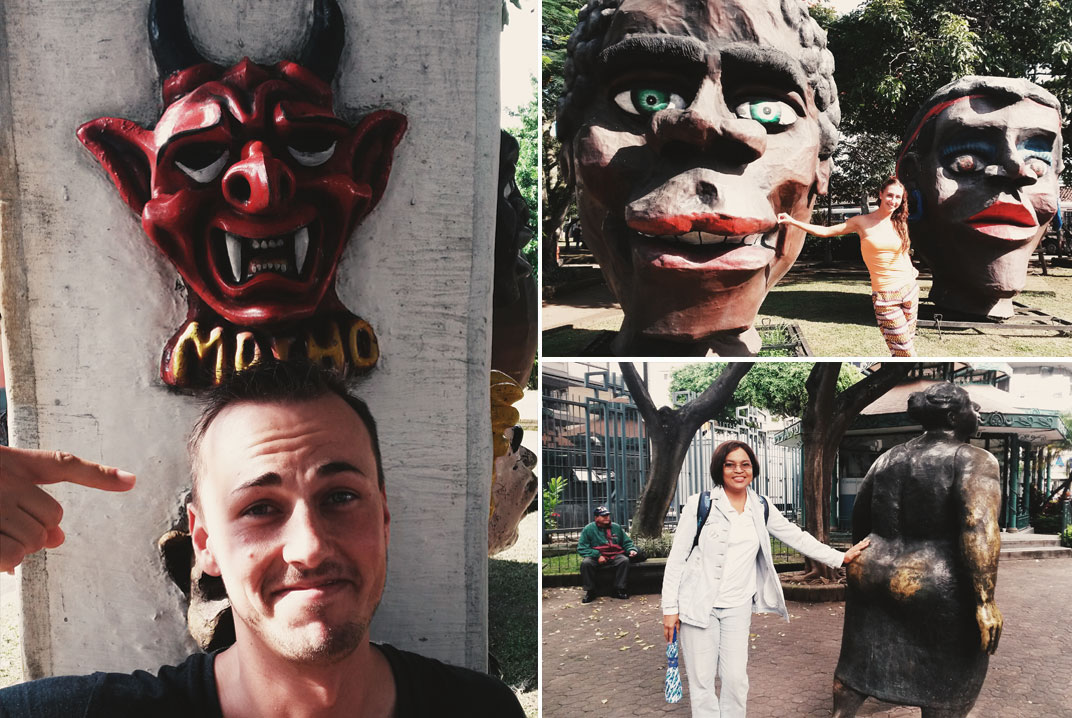
    Esta misma semana visitamos el centro de San José y el Mercado Central. Comimos en una auténtica “soda” tipica y descubrimos que a todos nos gusta el cas.

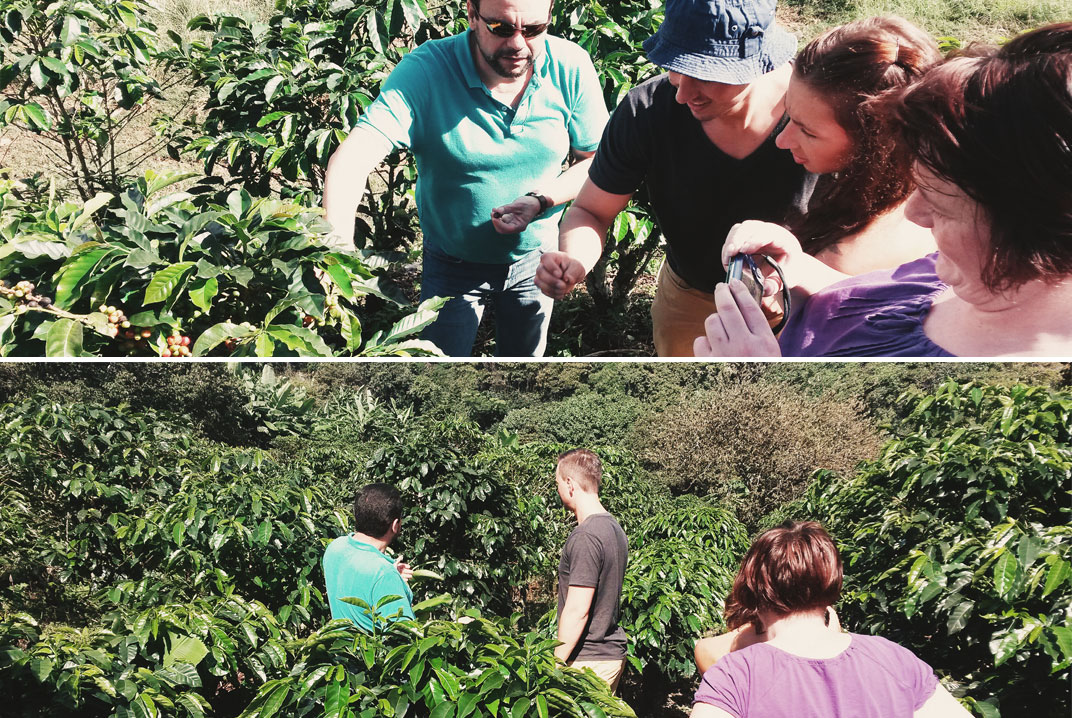
    La última actividad a la que asistimos la semana pasada fue la visita a un beneficio y plantación de café. Aprendimos sobre el proceso del café y luego visitamos el parque de Barva en la provincia de Heredia. La pasamos muy bien en todas las actividades, ¡aquí están las fotos que lo demuestran!

    Corinna, Eli y Agathe tratando de golpear la piñata.
    Corinna, Eli y Agathe tratando de golpear la piñata.
    La vida estudiantil nunca es aburrida.
    La vida estudiantil nunca es aburrida.
    Interactuando con la comunidad.
    Interactuando con la comunidad.
    Nuestro grano de oro.
    Nuestro grano de oro.
    Aprendiendo sobre la vida en el cafetal.
    Aprendiendo sobre la vida en el cafetal.

    Our dear student Eli is our new ping pong champion. He won on his birthday and recieved a “piñata” from his fellow students. That same week, we went on a city tour to down town San José and visited the Mercado Central where we ate and discovered that we all like cas (tropical fruit).

    The last activity of the past week was the tour to the coffee mill and coffee plantation. We learned a lot about the process and also visited the town of Barva de Heredia. We had a really good time and here are the photos that prove it!

  • El Sabor: Taste a la Tica

    El Sabor: Taste a la Tica

    “El Sabor, el Sabor!” – This friendly shout fills Academia Tica’s patio every school day at noon, when hungry students flock towards the sound of Caribbean music and the wide smile of Don George. He emerges from a van and opens the side door to reveal baskets and coolers brimming with treats, which hungry students have been yearning for throughout the morning’s intensive Spanish classes.

    And it´s not just any food, either. Don George specializes in typical fare from the Caribbean part of Costa Rica in addition to snacks like hamburgers, sandwiches, brownies and cheese cake. Everything is home-made by George and his wife every morning. He is always willing to explain every type of meal to students if they are about to eat something for the first time and often he also lets you try some things before you buy. Even after several months of living and studying at Academia Tica, it is still possible finding new things in George’s van and to not yet get “fed up” at lunch.

    Here are some meals you should have a go at:

    George with his famously delicious rice and beans.
    George with his famously delicious rice and beans.
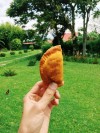
    • Empanada de pollo: a pastry made of cornmeal and filled with spiced chicken, typically eaten in Costa Rica as a snack while having a (black!) coffee
    • Patí: similar to an empanada but stuffed with minced beef and available in three different levels of spiciness – watch out for the red cross on the paper bag!
    • Vigorón: the typical Costa Rican picnic dish comes with yucca, tomato, cabbage and crispy pork crackling
    • Ceviche: a fresh fish cocktail with lime juice, chili and cilantro
    • Arroz con pollo del Caribe: in contrast to the Costa Rican much-loved “Gallo Pinto” (rice and beans) this meal is enriched with coconut milk. George serves it along with chicken, salad, fried plantain and a fruit juice.

    And for those of you with a sweet tooth:

    • Pan de yucazanahoria o banano: a piece of delicious cake of yucca, carrot or banana – not too sweet and very moist/mellow
    • Tamal: there are three different types of “tamales” made from cornmeal. George offers the sweet “Tamal asado” which looks a bit like German cheese cake
    • Cocada: a sun-shaped pastry from Jamaica with a sweet and spiced coconut stuffing
    • Arroz con leche: this cup of sweet rice pudding with cinnamon is one of the students’ favorites
    • Tresleches: a typical Nicaraguan dessert brought to Costa Rica by the immigrants. The sponge cake is soaked with three types of milk and topped with a rich cream. Sometimes George adds strawberries or cacao to give this cake a special note.

    …just to name a few!


  • Horsing around

    Horsing around

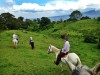
    The hand-painted sign showing two bridled horses does not point towards a fancy place. Turning down this stone driveway off the main road through Las Nubes will not deliver you to a state-of-the-art equine training facility. Nor are these lush pastures described in any Lonely Planet guidebooks. Yet, the animals grazing these hills speak volumes about the culture of Costa Rica’s Central Valley, where horses are not just historical throwbacks but remain essential for work, getting around and showing off in distinctly Tico style.

    About 5 km from the school “Coronado a Caballo” offers informal, very affordable “cabalgatas” ( trail rides), based out of a modest stable with 50 or so well-cared-for horses, frequented by Ticos much more than foreign tourists. The Costa Rican saddle horses raised here are colloquially known as “criollos,” descended from Spanish and Peruvian breeds. Some are trained to make impressive, dance-like movements, with dramatic knees and dropped noses, like someone who sees a spider in every step. The trail horses are less flashy, with smooth sure-footed gaits even in rough terrain.

    The hills and farms east of our Coronado campus certainly qualify. While only a short distance from the most densely populated and urbanized cities in the country, much of the highlands are still only accessibly by horse, motorbike or 4×4 vehicle. The road to Las Nubes disintegrates into skeins of rock and mud about 10 km from the school as it passes near the edge of Braulio Carrillo National Park.

    Horseback riding provides unique panoramic views of the Central Valley below, the Cordillera Central mountains and cloud forests above. Plus that sense of freedom and possibility that for whatever reason, only seems to come when you’re a meter off the ground on the back of a trusty horse.

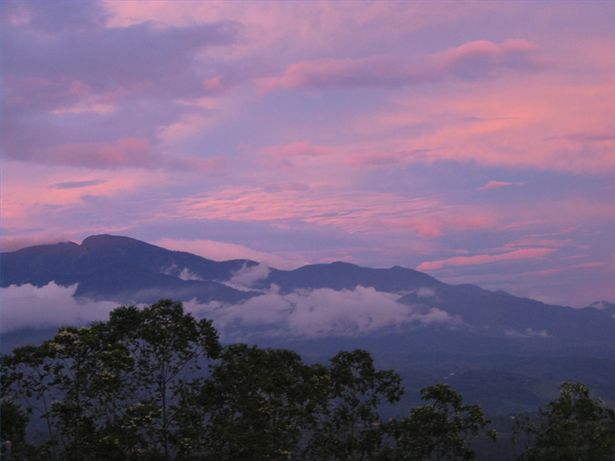
    The light and the land in Coronado, San Jose, Costa Rica.
    The light and the land in Coronado, San Jose, Costa Rica.

     -Emily Jo Cureton